Professional Wheelchair & Mobility Aids Manufacturer | Feiyang Medical Phone: +86-13809226584 E-mail: fymed@vip.163.com

Author: Site Editor Publish Time: 2025-09-14 Origin: Site
Recovering from lower leg injuries, foot surgery, or chronic conditions that affect mobility can be challenging. Patients often face the dilemma of needing to remain active while avoiding pressure on the affected leg or foot. Traditional mobility aids like crutches can be uncomfortable, cause arm and wrist fatigue, and require significant balance and coordination. This is where a steel knee walker becomes an invaluable tool.
A steel knee walker, also known as a knee scooter, is designed to allow users to rest their injured leg on a padded platform while propelling themselves with the uninjured leg. Unlike crutches, it provides stability, comfort, and a more natural walking motion, significantly improving the recovery experience. This article explores the benefits of steel knee walkers, their key features, and how they contribute to faster, safer, and more comfortable rehabilitation.
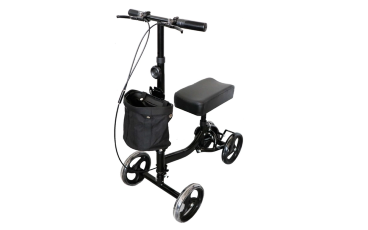
Steel knee walkers are mobility devices that consist of a sturdy steel frame, a padded knee platform, adjustable handlebars, and wheels for easy movement. They are primarily used for patients recovering from injuries to the foot, ankle, or lower leg where weight-bearing is restricted.
The steel construction provides durability and stability, allowing the device to support users of various weights. The knee platform is ergonomically designed to reduce pressure on the affected leg, and the handlebars provide balance and steering control. Steel knee walkers are widely favored in both home and clinical settings due to their strength, reliability, and ease of use.
One of the main advantages of a steel knee walker is comfort. Unlike crutches, which require users to bear their weight through their arms and shoulders, a knee walker supports the injured leg and allows the user to move with minimal strain. This reduces fatigue and prevents secondary injuries caused by overuse of the upper body.
The steel frame provides excellent stability, reducing the risk of falls during recovery. Many models feature four wheels, a wide base, and locking mechanisms to ensure safe operation on different surfaces. Users can navigate indoors or outdoors with confidence, minimizing the risk of accidents that could delay recovery.
A steel knee walker allows for smoother, faster movement compared to crutches. The user can propel themselves forward using the uninjured leg, maintaining a natural walking rhythm. This improves mobility and helps patients complete daily activities more efficiently, contributing to both physical and mental well-being.
Steel knee walkers are designed to accommodate different body types and injury types. Adjustable handlebars and knee platform heights allow for a custom fit, ensuring optimal comfort and posture. Ergonomic designs also prevent wrist or back strain, which is common with crutches or other mobility aids.
By allowing safe, pain-free movement, steel knee walkers encourage consistent mobility during recovery. Staying active, within medical guidelines, can improve circulation, maintain muscle tone, and promote faster healing. Patients are less likely to experience complications from prolonged immobility, such as stiffness or blood clots.
Steel knee walkers are suitable for a wide range of patients, including:
Post-Surgery Patients: Individuals recovering from foot, ankle, or lower leg surgeries can avoid placing weight on the injured area while remaining mobile.
Injury Recovery: Patients with fractures, sprains, or soft tissue injuries benefit from a stable and comfortable alternative to crutches.
Chronic Conditions: People with long-term conditions affecting mobility, such as arthritis or diabetic foot complications, can use a knee walker to move safely and maintain independence.
Active Individuals: Athletes or active patients often prefer knee walkers because they allow for greater mobility without compromising safety during the recovery process.
Steel knee walkers are ideal for indoor use on smooth surfaces. They allow users to move around the house, complete daily tasks, and maintain independence without constant assistance. The compact design of many models ensures they can navigate narrow hallways and tight spaces safely.
Many steel knee walkers are equipped with durable wheels that handle outdoor terrain such as sidewalks, ramps, or paved paths. Some models include suspension or larger wheels to enhance stability and comfort on uneven surfaces. This allows patients to engage in essential activities like shopping or attending appointments without relying on others.
While steel knee walkers are sturdy, many models are designed to fold for easy storage and transport. This is particularly useful for patients who need to travel or have limited space at home. Lightweight yet durable steel ensures that folding does not compromise structural integrity.
Crutches require upper body strength and can cause arm, shoulder, and wrist fatigue. They also demand significant balance and coordination, which can be difficult for elderly patients or those with limited strength. Steel knee walkers, by contrast, distribute weight more effectively and allow for a more natural, comfortable gait.
Wheelchairs offer full mobility support but can be cumbersome for short distances or in tight spaces. Knee walkers provide a balance between freedom and support, allowing users to maintain independence without the bulk of a wheelchair.
While aluminum knee walkers are lighter and easier to transport, steel knee walkers provide superior strength and durability. For patients who need long-term use or higher weight capacity, steel models are often the preferred choice.
When selecting a steel knee walker, several features enhance safety and comfort:
Brakes: Hand-operated or wheel locks prevent unintentional movement, particularly on inclines.
Storage Baskets: Convenient for carrying personal items while keeping hands free.
Cushioned Knee Platform: Reduces pressure and improves comfort during extended use.
Swivel Wheels: Enhance maneuverability in tight spaces and make turning easier.
Choosing the right combination of features ensures a knee walker meets the patient’s specific needs and maximizes recovery potential.
Beyond physical advantages, steel knee walkers have significant psychological benefits. They give users a sense of control and independence, which is vital for emotional well-being during recovery. Patients can complete daily activities without relying heavily on caregivers, reducing feelings of frustration, helplessness, or social isolation.
Confidence in mobility also encourages patients to remain active within safe limits, improving overall morale and speeding up recovery.
While steel knee walkers may have a higher initial cost than crutches or basic mobility aids, their durability and comfort make them a worthwhile investment. They reduce the risk of falls and secondary injuries, which can save money on medical treatment in the long term. For healthcare facilities, investing in steel knee walkers for patient rehabilitation programs can enhance efficiency and improve patient outcomes.
Steel knee walkers are powerful tools that significantly improve the recovery process for individuals with lower leg injuries or conditions limiting mobility. By providing stability, comfort, and enhanced mobility, they allow patients to remain independent, reduce the risk of secondary injuries, and promote faster rehabilitation.
Choosing the right steel knee walker involves considering factors such as weight capacity, adjustable features, braking systems, and overall comfort. With proper use, this seemingly simple device has a profound impact on both physical recovery and psychological well-being.
For individuals, families, and healthcare facilities seeking reliable and effective mobility solutions, steel knee walkers represent an essential investment in safety, comfort, and independence. Foshan Feiyang Medical Equipment Co., Ltd. offers high-quality steel knee walkers designed to meet the diverse needs of patients, combining durability, comfort, and innovative design to support a smoother and safer recovery journey.
