Professional Wheelchair & Mobility Aids Manufacturer | Feiyang Medical Phone: +86-13809226584 E-mail: fymed@vip.163.com

Author: Site Editor Publish Time: 2025-03-21 Origin: Site
Access to mobility aids like a medical wheelchair can significantly enhance the quality of life for individuals with mobility impairments. However, the cost of acquiring a medical wheelchair can be prohibitive for many. This article delves into the qualifications necessary to obtain a free medical wheelchair, exploring various programs, eligibility criteria, and the steps involved in securing this essential equipment.
Medical wheelchairs are not merely tools for mobility; they are integral to the independence and well-being of individuals with disabilities. They enable users to perform daily activities, engage socially, and access opportunities that would otherwise be unattainable. Given their importance, ensuring that those in need can acquire a medical wheelchair is a matter of social responsibility and healthcare accessibility.
The cost of medical wheelchairs varies widely, ranging from basic manual models to advanced power-operated versions. For many, these costs are insurmountable barriers. This financial challenge underscores the need for programs that provide free or subsidized wheelchairs to eligible individuals, ensuring that economic status does not impede access to necessary medical equipment.
In many countries, government programs play a pivotal role in providing medical wheelchairs to those who qualify. These programs are often part of larger healthcare or social service initiatives aimed at supporting individuals with disabilities.
In the United States, Medicare Part B covers power-operated vehicles (scooters), walkers, and wheelchairs as durable medical equipment (DME) when prescribed by a doctor for use in the home. To qualify, the following criteria must be met:
A doctor must provide a written order stating that the medical wheelchair is medically necessary.
The individual must have limited mobility and meet all medical criteria set by Medicare.
The supplier of the wheelchair must be enrolled in Medicare.
Similarly, Medicaid programs, which vary by state, often cover the cost of wheelchairs for eligible individuals. Medicaid eligibility is generally income-based, targeting low-income individuals and families.
Various nonprofit organizations and charities worldwide are dedicated to providing medical wheelchairs to those in need. These organizations often focus on underserved populations, both domestically and internationally.
Eligibility requirements for receiving a free medical wheelchair from nonprofits may include:
Demonstrated financial need.
A verified medical condition requiring the use of a wheelchair.
Lack of coverage through insurance or government programs.
Organizations such as the Wheelchair Foundation and Free Wheelchair Mission have extensive programs to distribute wheelchairs globally.
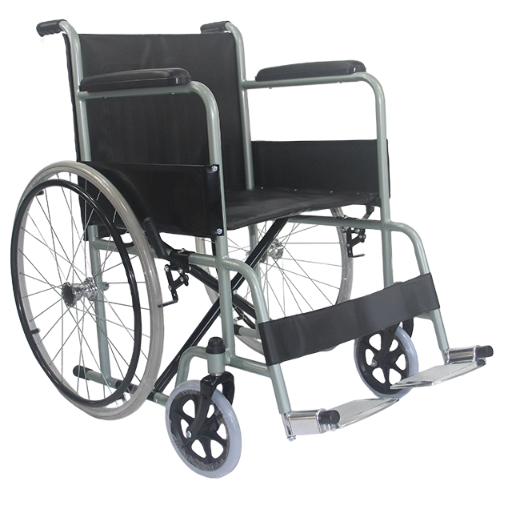
Private health insurance plans may cover the cost of a medical wheelchair, either fully or partially. Coverage typically depends on the policy terms and the medical necessity as determined by a healthcare provider.
To utilize insurance coverage:
Consult with your healthcare provider to obtain documentation of medical necessity.
Review your insurance policy's DME coverage details.
Secure pre-authorization if required by the insurer.
Understanding the specifics of your insurance plan is crucial in determining eligibility and avoiding unexpected expenses.
Veterans may qualify for a free medical wheelchair through the Department of Veterans Affairs (VA). The VA provides various benefits to veterans with service-connected disabilities.
Eligibility criteria include:
A disability rating from the VA.
A prescription from a VA physician.
Enrollment in the VA healthcare system.
The VA may provide wheelchairs, scooters, and other mobility aids as part of its commitment to supporting veterans' health and mobility.
Qualifying for a free medical wheelchair involves several key steps, regardless of the funding source.
The process begins with a thorough medical assessment by a licensed healthcare provider. The assessment will determine the individual's mobility limitations and the necessity of a medical wheelchair.
A formal prescription or letter of medical necessity will be required. This document should detail:
The specific medical condition or diagnosis.
Limitations in mobility and daily activities.
The type of wheelchair needed (manual or power).
Determine which programs or organizations you are eligible for. This may involve researching:
Government assistance (Medicare, Medicaid).
Nonprofit organizations.
Insurance coverage.
Veterans' benefits.
Each funding source will have its own application process and eligibility criteria.
Submit applications along with all required documentation. Ensure that all forms are completed accurately to prevent delays.
After submission, follow up regularly. Advocacy from healthcare providers or social workers can be instrumental in expediting the process.
Understanding real-world applications of these processes can provide valuable insight.
Consider John, a low-income individual with mobility impairment due to spinal injury. Unable to afford a medical wheelchair, he contacted a nonprofit organization. Through their assistance program, he received a customized wheelchair at no cost, significantly improving his independence and quality of life.
According to the World Health Organization, approximately 75 million people worldwide need a wheelchair. However, only 5-15% have access to one. This disparity highlights the critical need for accessible programs and the importance of understanding qualification processes.
Manufacturers and suppliers, such as medical wheelchair providers, play a vital role in this ecosystem. They often collaborate with nonprofits and government programs to supply wheelchairs at reduced costs.
Some companies engage in corporate social responsibility (CSR) initiatives, donating wheelchairs or funding to support mobility programs. These efforts not only aid beneficiaries but also enhance the company's community engagement and social impact.
While programs exist, several challenges may arise in the process of obtaining a free medical wheelchair.
Approval processes can be time-consuming, which may delay access to needed equipment. Being proactive and thorough in application submission can help mitigate delays.
Resources are often limited, and demand may exceed supply, especially in nonprofit organizations. Exploring multiple avenues simultaneously can increase the likelihood of success.
Engaging with advocacy groups and support networks can provide additional assistance.
Organizations dedicated to disability rights may offer resources, guidance, and support in navigating the process of obtaining a medical wheelchair.
Local community centers, social workers, and healthcare providers often have knowledge of programs and can assist in applications.
As technology advances, medical wheelchairs are becoming more sophisticated, offering enhanced features like improved maneuverability, comfort, and adaptability.
Modern wheelchairs may include:
Power-assist mechanisms.
Advanced seating systems to prevent pressure sores.
Environmental control units for operating household devices.
These advancements can greatly improve users' independence and quality of life.
Qualifying for a free medical wheelchair involves navigating a complex network of medical assessments, documentation, and program eligibility criteria. However, with the right information and support, individuals can successfully obtain the mobility aid they need. Access to a medical wheelchair not only enhances personal independence but also contributes to overall well-being and social participation. It is imperative that individuals, caregivers, and advocates work collaboratively to overcome barriers and ensure that mobility aids are accessible to all who need them.


