Professional Wheelchair & Mobility Aids Manufacturer | Feiyang Medical Phone: +86-13809226584 E-mail: fymed@vip.163.com

Choosing the right rollator depends on your daily activities, comfort preferences, and mobility needs. You may want to think about where you plan to use it—indoors, outdoors, or while traveling. Many people select a rollator because it supports longer walks and outdoor use.
It offers a seat for resting when you need breaks.
You can store personal items easily.
It helps you stay independent and comfortable.
Reflect on your routines and any challenges you face to guide your decision.
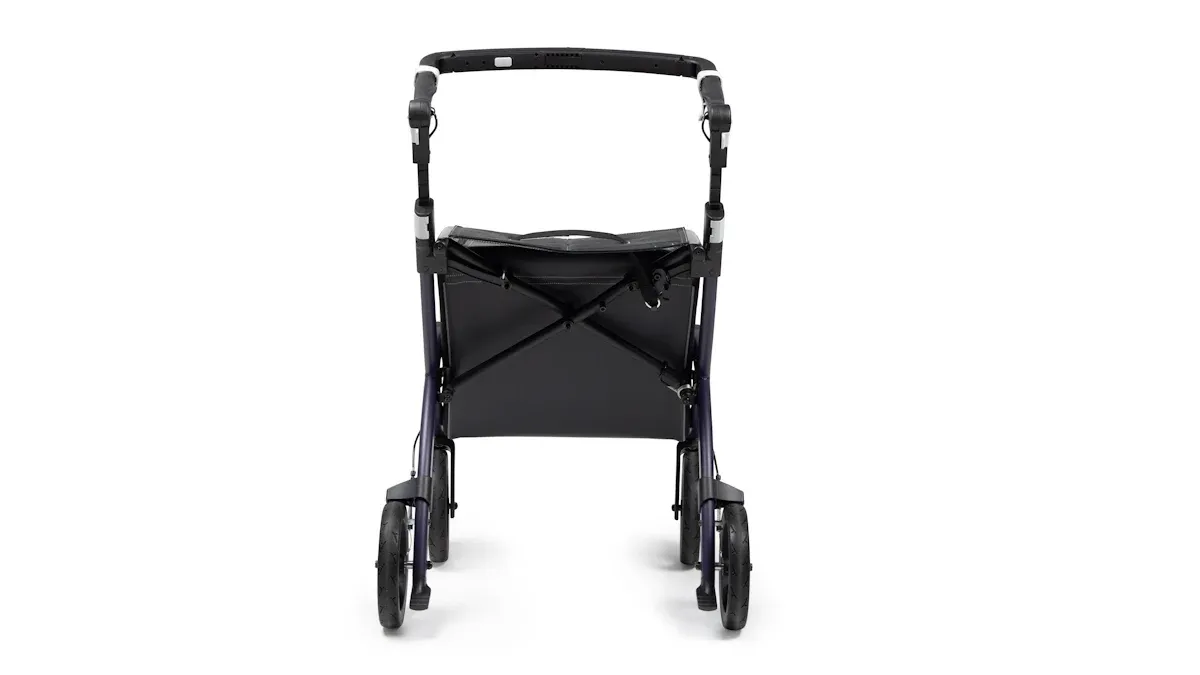
A rollator is a mobility aid that helps you move more easily and safely. Unlike a standard walker, a rollator has wheels on all its legs. This design lets you push it forward without lifting the frame. You can use a rollator if you need mild to moderate support for balance but do not need to put your full weight on the device.
A rollator often comes with features that make daily life easier.
You get a built-in seat, so you can rest whenever you need a break.
Many models include storage under the seat for your personal items.
Brakes on the handles help you stop safely or lock the rollator in place when you sit.
You may find a rollator easier to maneuver than a standard walker. The wheels allow you to turn corners and move smoothly over different surfaces. This makes it a good choice for people who want to keep a normal walking pattern and stay active.
Tip: If you need strong support for your body weight or have trouble with balance, a standard walker may suit you better than a rollator.
You can choose from several types of rollators, each with unique benefits. The two most common types are three-wheel and four-wheel rollators.
| Feature | Three-Wheel Rollator | Four-Wheel Rollator |
|---|---|---|
| Stability | Less stable, requires careful handling | More stable, suitable for uneven surfaces |
| Maneuverability | More maneuverable, ideal for tight spaces | Less maneuverable, but better for longer distances |
Three-wheel rollators are lighter and easier to steer in small spaces, such as narrow hallways.
Four-wheel rollators offer more stability and work well on uneven ground or for longer walks.
You will also see rollators with different frame materials, seat sizes, and storage options. Some popular models on the market include the Drive Medical 10257BL-1 4 Wheel Rollator Walker With Seat and the HOMLAND Foldable Rollator Walkers with Seat for Seniors. These options show how rollators can fit many needs and preferences.
When you select a rollator, the material and weight play a big role in your comfort and independence. Lightweight rollators made from aluminum or carbon fiber are easy to lift and transport. Most lightweight models weigh between 4.8 kg and 7 kg. If you want an ultralight option, look for one under 5 kg. These materials help you move the rollator with less effort, especially if you travel often or need to lift it into a car.
Wheel size and configuration affect how well your rollator handles different surfaces. Larger wheels, such as 12-inch or 14-inch, work best outdoors and can handle rough ground like gravel or cobblestones. Smaller 8-inch wheels suit indoor use and smooth floors. The table below shows how wheel size impacts performance:
| Wheel Size | Performance on Surfaces | Advantages |
|---|---|---|
| 12" Wheels | Better on rugged surfaces like stone roads and lawns | Great passing ability and comfort |
| 8" Wheels | Limited to small obstacles, best for smooth surfaces | Easier to maneuver indoors |
You should always check the weight capacity to ensure safety. Lightweight rollators usually support 11-15 pounds, while standard models hold 15-20 pounds. Heavy-duty rollators can handle up to 30 pounds or more, offering extra stability. Manufacturers test these devices by simulating real-world use, applying heavy loads, and performing thousands of drops to guarantee reliability.
Adjustable features help you find the most comfortable fit. Handle height and seat height are especially important. Proper handle height keeps your posture straight and reduces strain. Adjustable seat height lets your feet rest flat, which improves comfort. The table below highlights key adjustable features:
| Feature | Importance |
|---|---|
| Handle Height | Reduces strain, improves walking comfort |
| Seat Height | Ensures proper sitting position for all users |
| Backrest | Supports lower back during rest |
A comfortable seat with extra padding can make a big difference, especially if you need to rest often. Many users value under-seat storage for personal items. Auxiliary features like storage baskets, trays, or pouches add convenience. For example, a water-resistant pouch or a basket with a drink holder can help you carry essentials hands-free.
Safety should always come first. Look for rollators with reliable brakes, sturdy frames, and ergonomic handles. These features help prevent falls and provide stability on uneven ground. Regular brake checks and a solid design reduce the risk of accidents, making your daily walks safer.
You may need a rollator that supports your recovery or helps you manage a medical condition. Medical and rehabilitation rollators offer features that make them different from standard walkers. The table below highlights these differences:
| Feature/Benefit | Medical/Rehabilitation Rollators | Standard Walkers |
|---|---|---|
| Wheels | Yes (3 or 4 wheels) | No (4 legs) |
| Seat | Yes | No |
| Hand Brakes | Yes | No |
| Adjustability | Yes (handle height adjustable) | Yes (legs adjustable) |
| Mobility | High (can be pushed) | Low (needs lifting) |
| Storage | Yes (basket or pouch) | No |
| Safety | Lockable brakes | Rubber tips for stability |
| Ideal Use | Frequent rests and mobility | Stationary exercises |
| Modifications Available | Limited | Yes (for grip issues) |
You get easier movement with wheels instead of legs, which reduces fatigue. Hand brakes give you control and safety. A cushioned seat lets you rest when you need it. Many models have a tall frame with adjustable height, so you can walk with better posture. Clean and compact designs make these rollators easy to use and store.
Clinical studies show that using rehabilitation rollators can help you recover faster after surgery. Physiotherapists often start ambulation with aids like rollators just a few hours after surgery. This early movement can improve your confidence and motor skills without slowing your recovery.
Recent innovations in rollator design focus on making your daily life easier and more independent. You will find lightweight materials that make the device easy to handle. Ergonomic handles provide comfort and help you feel secure while walking. Foldable frames allow you to store or transport your rollator with ease, which is helpful if you travel often. Many new models include practical accessories, such as storage baskets or pouches, so you can carry personal items hands-free.
Some advanced rollators now feature smart technology. These smart models adapt to different terrains and monitor your health. They can even help you stay connected with others, making your experience safer and more satisfying. Designers aim to create rollators that fit your needs and support your independence every day.
When you compare mobility aids, you notice a wide range of features and prices. The table below highlights the main differences among popular types:
| Rollator Type | Price Range | Key Features |
|---|---|---|
| Standard Rollators | $70 - $100 | Four wheels, built-in seat, general use, balance and rest options. |
| Three-Wheel Rollators | $150 - $250 | Lighter, more maneuverable, suitable for indoor use and tight spaces. |
| Heavy-Duty Rollators | $150 - $250 | Higher weight capacities, reinforced frames for durability. |
| Upright Walkers | $495 - $695 | Ergonomic design, improves posture, customizable handgrips, superior materials. |
You see that upright walkers cost more because they use advanced materials and offer ergonomic benefits. Heavy-duty models focus on strength and stability. Standard rollators provide a balance of affordability and essential features.
Recent trends shape the market in several ways:
Smart technology, such as sensors and health monitoring, is becoming more common.
Lightweight frames made from aluminum or carbon fiber make transport easier.
Manufacturers now offer more colors and accessories, letting you personalize your device.
Sleek designs and ergonomic handles improve comfort and style.
These changes reflect a shift from clinical equipment to lifestyle products, making mobility aids more appealing and user-friendly.
User feedback gives you valuable insight into what works best in daily life. Many people praise models with locking hand brakes for safety. Lightweight designs, like the Medline Freedom Rollator, receive positive comments for easy folding and transport. Comfortable seats and ample storage, as seen in the Hugo Elite Rollator, also stand out.
Experts and users agree on several important points:
Proper handle height supports good posture and reduces strain.
Adequate weight capacity ensures stability and safety.
Storage options add convenience for carrying personal items.
Stability and comfort features help you use your rollator for longer periods.
Tip: Always check reviews for real-world experiences before making your final choice. This helps you find a model that matches your needs and lifestyle.
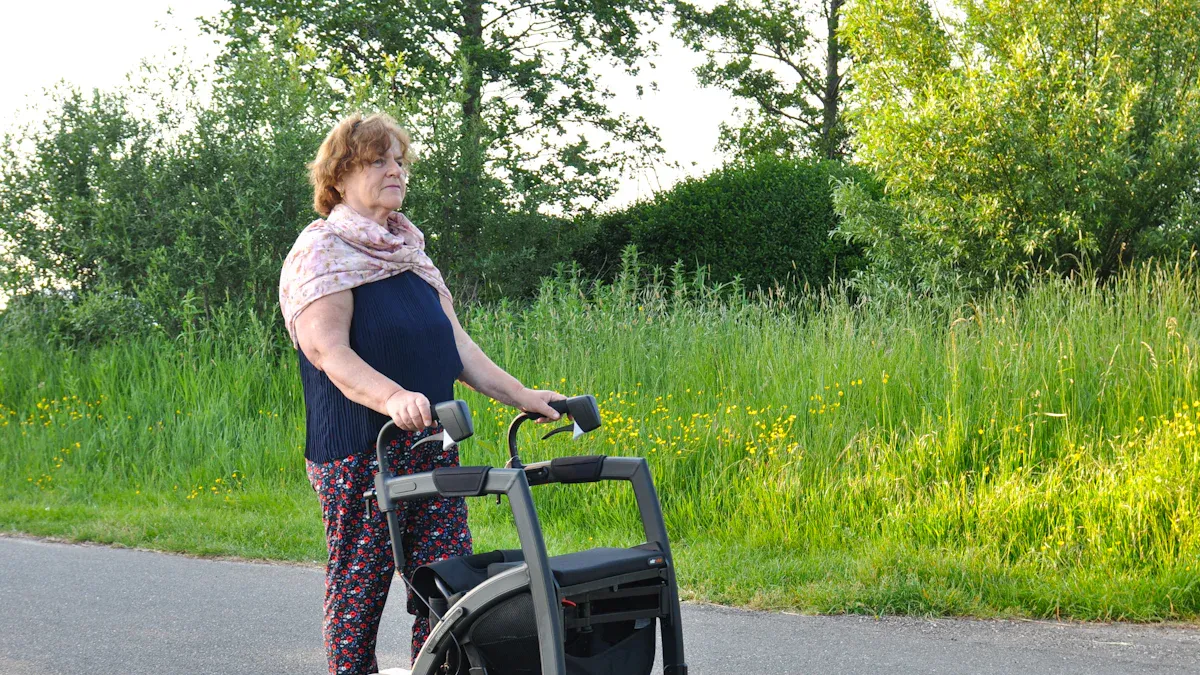
You should start by thinking about your daily activities and mobility challenges. If you tire easily, a rollator with a built-in seat lets you take breaks and reduces fatigue. Adjustable handles help you find a comfortable grip, and baskets allow you to carry groceries or personal items. To make a smart choice, you can use assessment tools that measure your confidence, balance, and independence. The table below shows some common tools:
| Assessment Tool | Purpose |
|---|---|
| Activities-Specific Balance Confidence Scale | Measures confidence in performing daily activities without falling |
| Barthel ADL Index | Assesses the ability to perform activities of daily living |
| Berg Balance Scale | Evaluates balance and fall risk |
| Dynamic Gait Index | Assesses gait and balance during walking |
| KATZ Index of Independence in Activities of Daily Living | Measures independence in daily activities |
| Morse Fall Scale | Identifies fall risk factors |
| Pain, Activity and general enjoyment of life scale | Evaluates pain and its impact on life quality |
| Schmid Fall Risk Scale | Assesses risk of falling |
| STEADI Fall Risk | Evaluates fall risk in older adults |
| Time Up and Go | Measures mobility and fall risk |
| Tinetti Performance Oriented Mobility Assessment | Assesses balance and gait |
| Tinetti Balance and Gait Instrument | Evaluates balance and walking ability |
| Amputee Mobility Predictor Assessment Tool | Assesses mobility needs for amputees |
Tip: Consider your specific needs for assistance and decide if a walker or a rollator fits you best.
Your environment shapes the features you need. If you move through tight spaces or narrow hallways, a compact rollator works well. For outdoor use, sturdy wheels help you cross uneven surfaces like sidewalks or grassy areas. Weather also matters. If you spend time outside, choose a model built for durability and different climates. Regular maintenance keeps your device safe, especially for brakes and tires. Indoor and outdoor use affects how quickly parts wear out, so check your rollator often.
The context of use influences wear and tear.
Weather and surfaces change durability needs.
Inexperienced users may cause faster wear.
Maintenance is important for safety.
Prices for rollators vary based on features and materials. Insurance, such as Medicare, can lower your costs if you have a prescription for medically necessary equipment. The table below shows the price range for popular models:
| Rollator Model | Price |
|---|---|
| ProBasics Steel Rollator | $111.00 |
| ProBasics Aluminum Rollator | $142.00 |
| ProBasics Deluxe Height Adjustable Aluminum Rollator | $155.00 |
| Nova Traveler 4900 Rollator Walker | $186.95 |
| Star 8 Rollator | $229.95 |
| Phoenix Rise UP Rollator | $309.95 |
| Dragon Fold & Go Rise UP Rollator | $339.95 |
| Star 8 DX HD Rollator | $389.95 |
Insurance coverage for durable medical equipment can make a rollator more affordable.
When you choose a rollator, focus on your daily needs, comfort, and safety. Think about where you will use it and which features matter most. Look for a model that matches your lifestyle and supports your independence.
Take time to compare options and ask questions. The right rollator can help you move with confidence and enjoy greater freedom every day.
You may need a rollator if you want more mobility and a seat for resting. Rollators work well for people who can walk but need balance support. Walkers suit those who need to put more weight on the device.
Yes, you can use a rollator outdoors. Choose a model with larger wheels for better stability on uneven surfaces. Outdoor rollators help you walk safely on sidewalks, grass, or gravel.
To adjust the handle height, locate the adjustment knobs or push buttons on the frame. Set the handles so your elbows bend slightly when you hold them. Proper height improves comfort and posture.
You can sit safely on the rollator seat if you lock the brakes first. Always check that the rollator stands on a flat surface before sitting. Never sit while moving.
Check the brakes, wheels, and frame regularly. Clean the rollator to remove dirt and debris. Tighten loose screws and replace worn parts as needed. Regular maintenance keeps your rollator safe and reliable.


