Professional Wheelchair & Mobility Aids Manufacturer | Feiyang Medical Phone: +86-13809226584 E-mail: fymed@vip.163.com

Medical wheelchairs are essential mobility aids designed to provide independence and improve the quality of life for individuals with mobility challenges. Understanding how to properly fold a medical wheelchair is crucial for caregivers and users alike, as it facilitates easy transportation and storage. In this comprehensive guide, we delve into the step-by-step process of folding various types of medical wheelchairs, highlight the technological advancements in wheelchair design, and discuss best practices for maintenance and safety. By mastering the folding techniques, users can ensure their medical wheelchair remains a reliable companion in daily life.
Medical wheelchairs come in various models and configurations, each designed to meet specific user needs. The primary categories include manual wheelchairs, electric wheelchairs, transport wheelchairs, and specialized wheelchairs for specific medical conditions. Recognizing the type of wheelchair is the first step in understanding how to fold it properly. Manual wheelchairs are the most common and are typically foldable, while electric wheelchairs may have more complex folding mechanisms or might not fold at all. Transport wheelchairs, designed for portability, often feature quick-release mechanisms for easy folding.
Manual wheelchairs are propelled by the user or pushed by a caregiver and are known for their simplicity and ease of use. They usually have a foldable frame that collapses inward, making them convenient for transport in vehicles or storage in tight spaces. Understanding the folding points and safety features is essential to prevent damage to the wheelchair or injury to the user.
Electric wheelchairs offer powered mobility and are equipped with batteries and motors. Folding an electric wheelchair can be more challenging due to its electronic components. Some models are designed with portability in mind and feature foldable frames, while others require disassembly. It's important to consult the manufacturer's manual for specific folding instructions to avoid damaging the electrical system.
Transport wheelchairs are lightweight and designed for short-term use, particularly for transportation to and from medical facilities. They are easy to fold and often come with handles for caregivers to lift. Their compact size when folded makes them ideal for travel and storage in small vehicles.
Folding a manual medical wheelchair involves several key steps to ensure it is done safely and effectively. Below is a detailed guide to assist users and caregivers:
Begin by ensuring the wheelchair is on a flat surface. Engage the wheel locks to prevent movement during the folding process. Remove any cushions or accessories that are not attached to the frame to avoid interference or damage.
Swing away or remove the footrests and leg supports. Most wheelchairs have footrests that swing to the side or are detachable. This step is crucial to make the wheelchair fold properly and to reduce its overall size when folded.
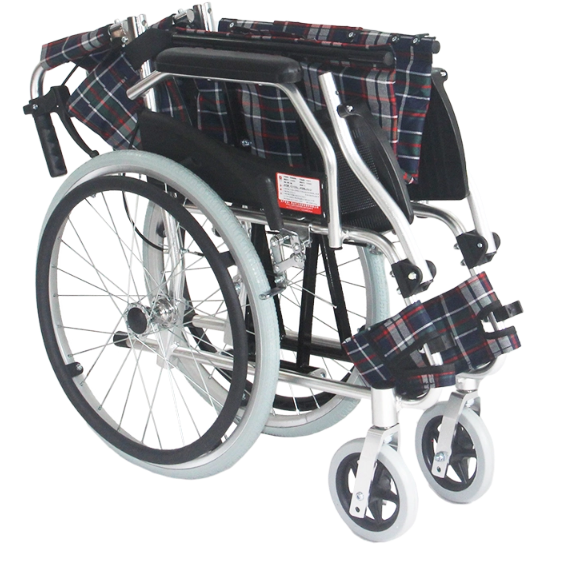
Stand in front of the wheelchair and grasp the center of the seat upholstery at the front and back edges. Pull upward firmly. The wheelchair should begin to collapse as the seat folds upwards, bringing the sides of the wheelchair closer together.
Once folded, check for any protruding parts or accessories that need to be adjusted. Some wheelchairs have a latch or Velcro strap to keep them securely folded. Use these features to prevent the wheelchair from unfolding during transport.
When lifting the folded wheelchair, use proper body mechanics to avoid injury. Bend your knees, keep your back straight, and lift with your legs. If the wheelchair is too heavy, seek assistance to prevent strain or accidents.
Electric medical wheelchairs require special attention when folding due to their complex components. The process may vary significantly between models, so it's imperative to refer to the specific user manual. Generally, the steps include powering off the device, disconnecting the battery, and following manufacturer instructions to fold or disassemble parts as necessary. Some modern electric wheelchairs are designed with innovative folding mechanisms, providing a balance between functionality and portability.
The evolution of medical wheelchairs has led to significant advancements in folding mechanisms. Manufacturers are utilizing lightweight materials like aluminum and carbon fiber to reduce weight without compromising strength. Innovative designs such as telescoping frames, quick-release components, and automated folding mechanisms are becoming increasingly prevalent. These advancements not only enhance user convenience but also contribute to the durability and longevity of medical wheelchairs.
Regular maintenance of a medical wheelchair is crucial to ensure its optimal performance and safety. Users should perform routine checks on the brakes, wheels, and folding mechanisms. Keeping the wheelchair clean and free of debris prevents premature wear and tear. Lubrication of moving parts, as recommended by the manufacturer, can enhance the ease of folding and unfolding. Additionally, scheduling professional inspections can help identify and address potential issues before they become serious problems.
Safety should be a paramount concern when folding and transporting medical wheelchairs. Users should be cautious of pinch points where fingers could be caught during the folding process. It's important to ensure that the wheelchair is fully unfolded and locked before use to prevent accidents. Caregivers and users should be trained on the specific folding procedures of their wheelchair model to promote safe handling.
Ergonomics plays a vital role in the design of medical wheelchairs, impacting user comfort and ease of use. Ergonomic designs consider the natural movements and limitations of the human body, which is essential in folding mechanisms. Features such as easy-to-reach release levers, adjustable components, and lightweight materials contribute to a user-friendly experience. An ergonomically designed medical wheelchair not only enhances mobility but also reduces the risk of strain or injury during operation and transportation.
Leading manufacturers in the medical equipment industry are continuously innovating to improve wheelchair design. For instance, companies are integrating smart technology, allowing wheelchairs to fold automatically with the push of a button. Others are focusing on modular designs, enabling users to customize and upgrade their wheelchairs efficiently. These innovations are driven by extensive research and feedback from users, aiming to enhance the overall functionality and convenience of medical wheelchairs.
Medical wheelchairs must adhere to global standards and regulations to ensure safety and reliability. Organizations like the International Organization for Standardization (ISO) provide guidelines on manufacturing practices, material quality, and safety features. Compliance with these standards is essential for manufacturers to distribute their products worldwide and for users to trust in the quality of their medical wheelchair.
Mastering how to fold a medical wheelchair is an essential skill that enhances mobility and convenience for users and caregivers. By understanding the specific folding mechanisms of their wheelchair model and adhering to safety practices, individuals can efficiently transport and store their wheelchairs. Continuous advancements in wheelchair technology promise even more user-friendly designs, further simplifying the folding process. Investing time in learning and applying proper folding techniques ensures that the medical wheelchair remains a reliable and convenient mobility solution.


