Professional Wheelchair & Mobility Aids Manufacturer | Feiyang Medical Phone: +86-13809226584 E-mail: fymed@vip.163.com

Folding a rollator walker is an essential skill for users seeking to enhance their mobility and independence. Whether you're preparing for travel or simply need to store your walker, understanding the proper folding techniques can make the process quick and easy. In this guide, we'll walk you through the steps to efficiently fold a rollator walker, ensuring safety and convenience while maintaining its longevity.
A rollator walker is a mobility aid designed to help people walk more easily and safely. It usually has a sturdy frame, four wheels, handlebars, and a built-in seat. Unlike traditional walkers, rollators are easier to push because of their wheels, which provide smooth movement over various surfaces. They also come with hand brakes, letting users control their speed and stop when needed. This makes them ideal for seniors or anyone needing extra support while walking.
There are mainly two types of rollator walkers:
● Traditional Rollators: These have a seat, a basket underneath, and fold by lifting a crossbar beneath the seat. They tend to be heavier and less stable when folded. Because of this, they might be harder to lean against walls or store upright.
● Side-Folding Rollators: These fold by pulling a handle in the middle of the seat, causing the sides to collapse inward. They often stand on their own when folded and are usually lighter. Some models use materials like carbon fiber to reduce weight further.
Each type offers different benefits, so choosing depends on your needs, such as ease of folding, weight, and storage space.
Rollator walkers come packed with features that enhance safety, comfort, and convenience:
● Four Wheels: Provide stability and easy movement.
● Hand Brakes: Allow users to control speed and stop safely.
● Seats: Offer a resting spot during walks.
● Storage Baskets: Carry personal items like bags or groceries.
● Adjustable Handles: Fit users of different heights for better posture.
● Folding Mechanisms: Make storage and transport easier.
Some models also include accessories like cup holders or phone mounts, adding extra convenience.
When choosing a rollator walker for your business or clients, consider models with adjustable handles and easy folding mechanisms to accommodate diverse user needs and enhance customer satisfaction.
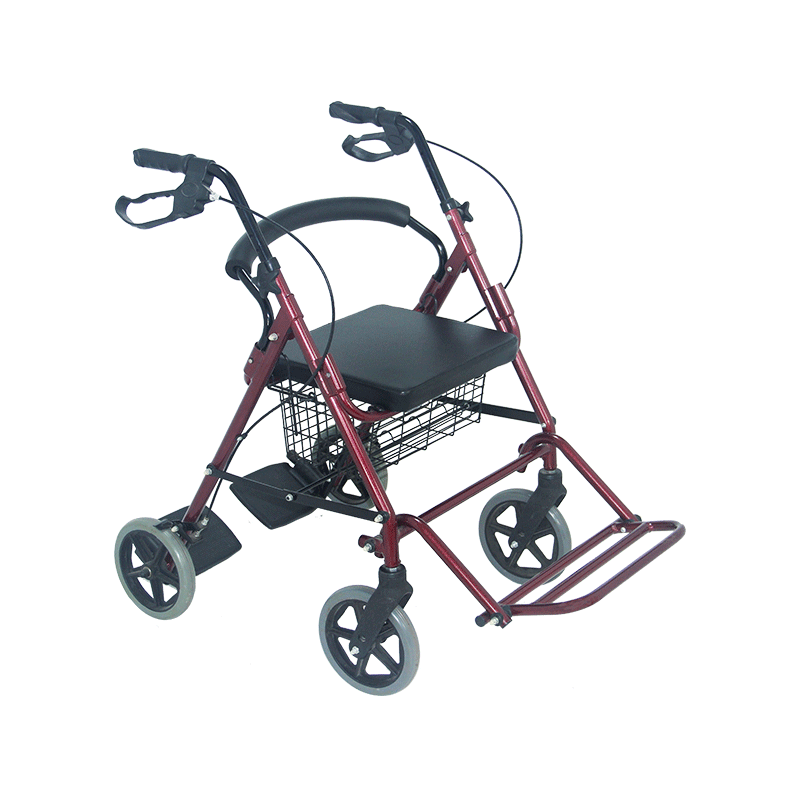
Before folding, place your rollator on a flat, stable surface. This prevents it from slipping or tipping as you fold. Remove any personal items from the basket or seat to avoid damage or loss during the process. Engaging the brakes at this stage helps keep the rollator steady.
The folding mechanism varies by model but is usually near the center of the frame or under the seat. For traditional rollators, look for a crossbar beneath the seat or a latch that you can lift or pull. Side-folding rollators often have a handle or strap in the middle of the seat that you pull upward to initiate folding. Check your user manual if unsure.
1. Remove the storage basket if attached to expose the folding crossbar.
2. Stand behind the rollator and lift the seat flap.
3. Grab the crossbar and pull it upward firmly.
4. The frame will collapse inward, folding the walker flat.
5. Align the wheels so they touch, ensuring the walker is compact.
6. Note that traditional rollators may not stand on their own when folded, so lean them carefully against a stable surface.
1. Locate the folding handle or strap at the seat's center.
2. Pull the handle or strap upward firmly.
3. The walker’s sides will fold inward automatically.
4. Some models have a clip or latch to secure the fold; engage it to keep the walker compact.
5. Side-folding rollators often stand upright when folded, making storage easier.
Once folded, ensure any locking mechanisms or clips are engaged to prevent the rollator from unfolding during transport or storage. If your model lacks a lock, consider using a bungee cord or strap to keep it secure. Store the folded rollator in a safe place, such as a car trunk or closet corner, where it won’t fall or get damaged.
For B2B customers, offering rollator models with easy-to-use folding mechanisms and secure locking features enhances user satisfaction and reduces product returns due to usability issues.
Folding rollator walkers that have seats requires a bit more care to ensure safety and ease. Here are some practical tips to help you fold these walkers smoothly.
Before folding, always remove any personal belongings from the seat and storage basket. Items like bags, water bottles, or cushions can get damaged or obstruct the folding process. Clearing these ensures nothing gets caught in the mechanism or lost during folding.
Lock the rollator’s brakes firmly before folding. This prevents the walker from rolling or shifting while you fold it, giving you better control and stability. Engaging the brakes is especially important when folding on a slight incline or uneven surface.
Most rollators with seats have a specific folding mechanism, usually a strap, handle, or latch located near or under the seat. To fold:
● Pull the strap or handle upward firmly.
● If your model uses a latch, release it according to the instructions.
● The walker’s sides should collapse inward smoothly.
Avoid forcing the fold; if it feels stuck, double-check that nothing blocks the joints or hinges.
Once folded, check if your rollator has a locking clip or latch to hold it shut. If so, engage it to keep the walker compact during transport or storage. If your model lacks a lock, consider using a bungee cord or strap to secure it.
Make sure the folded walker is stable and won’t tip over when standing upright. Store it in a safe place where it won’t get damaged or cause tripping hazards.
For B2B clients, offering rollator walkers with intuitive folding mechanisms and secure locking features can enhance user experience and reduce customer support issues.
Proper maintenance keeps your rollator walker safe, reliable, and easy to fold. Regular care extends its lifespan and prevents issues that could affect your mobility. Here are the key maintenance tasks you should perform routinely.
Wipe down your rollator regularly using a damp cloth to remove dust, dirt, and debris. Focus on the frame, handles, and wheels. Avoid harsh chemicals that might damage the finish or materials.
Inspect the walker for visible damage such as cracks, bent parts, or rust. Check the frame and joints carefully. Early detection of wear or damage helps prevent accidents or breakdowns.
Apply lubricant to hinges, joints, and folding mechanisms to keep them moving smoothly. Use a light machine oil or silicone spray recommended by the manufacturer. Avoid over-lubricating, which can attract dirt and cause buildup.
Lubrication reduces stiffness and prevents squeaking when folding or unfolding. It also helps protect metal parts from corrosion.
Periodically check all screws, nuts, and bolts on your rollator. Use the proper tools to tighten any that feel loose. Loose hardware can cause instability or make folding difficult.
Pay close attention to screws near the folding mechanism and handles, as these areas experience the most stress.
Test your rollator’s brakes regularly to ensure they engage fully and release smoothly. Brakes are critical for safety when stopping or folding.
If brakes feel weak or don’t hold the rollator in place, adjust or replace brake components as needed. Consult your user manual for brake adjustment instructions or seek professional help.
For B2B clients, providing maintenance guides and offering periodic servicing packages can boost customer satisfaction and reduce product returns due to mechanical failures.
Transporting your rollator walker in a car is straightforward if done correctly. First, fold the rollator according to its type—traditional or side-folding. Folding makes it compact and easier to handle. Clear the trunk or backseat area to create enough space. Place the folded rollator upright in the trunk or lay it flat on the backseat, depending on the available space and your rollator’s design. Ensure it does not block your view or interfere with passengers.
Safety during transportation is crucial. Secure the folded rollator using straps, bungee cords, or elastic bands to prevent it from shifting while driving. This reduces the risk of damage to the rollator and keeps the vehicle safe. Avoid placing heavy objects on top of the rollator to prevent deformation or damage. Before driving off, double-check that the rollator is firmly in place and won’t move unexpectedly, which could cause distractions or accidents.
When not in use, store your rollator in a dry, clean area away from direct sunlight and moisture. Fold the walker and secure any locking mechanisms or straps to keep it compact. If you have limited space, consider storing the rollator upright against a wall or inside a closet. Avoid stacking heavy items on top of it. Regularly inspect the storage area to ensure it remains free of dust and pests that could damage the walker.
For B2B clients, providing customers with transport-friendly rollator models and including securing straps or storage bags enhances user convenience and satisfaction.
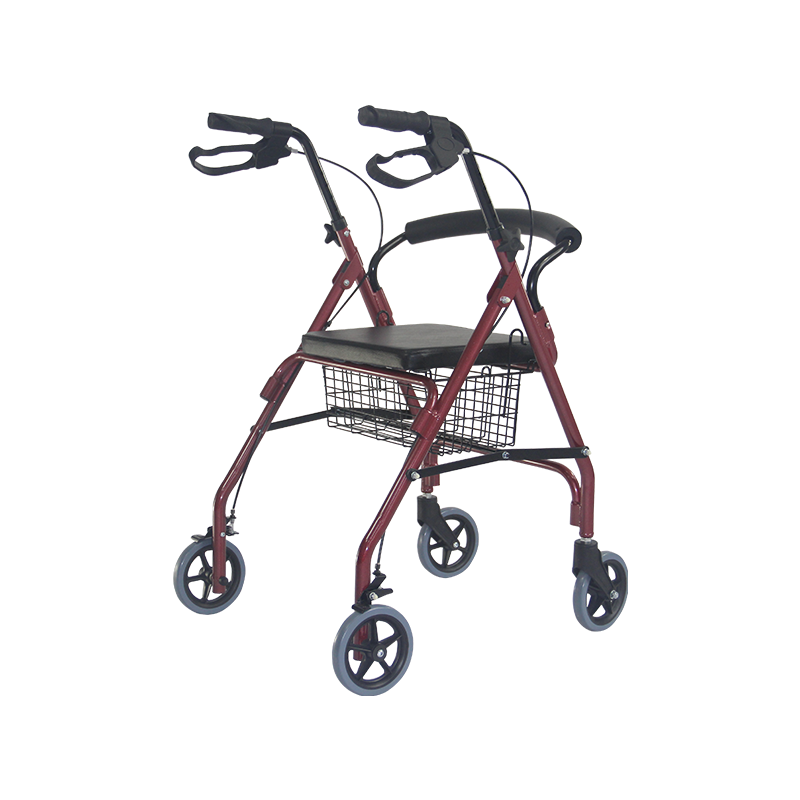
Rollator walkers offer excellent value compared to other mobility aids. They are typically affordable and require minimal maintenance since they have no batteries or complex electronics. This keeps long-term costs low. Their lightweight design and folding ability make them highly versatile, suitable for indoor and outdoor use. You can easily take them on trips, store them in small spaces, or use them for various activities like shopping or walking in the park. This flexibility means you don’t need multiple devices for different purposes.
One of the biggest benefits of a rollator walker is how it enhances mobility. The four wheels and hand brakes provide stability and control, helping users walk more confidently on different surfaces. Many models have adjustable handles to fit various heights, promoting better posture and reducing fatigue. The built-in seat allows for rest breaks whenever needed, supporting longer outings. This increased mobility encourages independence, letting users perform daily tasks without relying on others. It also opens opportunities for social engagement, improving quality of life.
Using a rollator walker supports better physical health by encouraging movement and exercise. Walking with a rollator engages core and leg muscles, helping maintain strength and balance. This can reduce the risk of falls, a serious concern for many older adults or those with mobility challenges. The hand brakes add an important safety feature, allowing users to stop quickly and avoid accidents. Additionally, the ability to rest on the seat prevents overexertion, making walking safer and more comfortable. Overall, rollators contribute to improved cardiovascular health, mental well-being, and injury prevention.
For B2B clients, offering rollator walkers with customizable features and enhanced safety options can attract a broader customer base and improve user satisfaction.
Folding a rollator walker involves locating the folding mechanism, engaging the brakes, and ensuring the walker is secure. Proper folding techniques enhance convenience and safety, making rollator walkers a valuable mobility aid. Practicing these steps ensures ease of use and extends the walker's lifespan. Foshan Feiyang Medical Equipment Co., Ltd offers rollator walkers with innovative features, providing users with reliable support and independence. Their products are designed to meet diverse needs, ensuring customer satisfaction and improved mobility.
A: A rollator walker with seat is a mobility aid featuring four wheels, a sturdy frame, handlebars, hand brakes, and a built-in seat for resting.
A: To fold a 4 wheel rollator walker, locate the folding mechanism, usually under the seat, and pull it up to collapse the sides inward.
A: A lightweight rollator walker is easier to maneuver and transport, providing convenience and reducing strain during use.
A: A foldable rollator offers easy storage and transport, making it ideal for travel and saving space at home.

