Professional Wheelchair & Mobility Aids Manufacturer | Feiyang Medical Phone: +86-13809226584 E-mail: fymed@vip.163.com

Author: Site Editor Publish Time: 2025-10-31 Origin: Site
Maintaining the safety and functionality of your rollator is essential for ensuring a smooth and secure mobility experience. One critical aspect of this maintenance is properly adjusting the brakes. Over time, the brake cables can stretch or loosen, leading to decreased responsiveness and control. In this guide, we will walk you through the steps to effectively tighten the brakes on your rollator, ensuring optimal performance and user safety. Whether you have loop lock, bicycle-style hand, or push-down brakes, understanding how to adjust them can make a significant difference in your mobility aid's reliability.
Rollators come equipped with brakes designed to enhance safety and control. Knowing the types of brakes and how they work helps you maintain and adjust them effectively.
1. Loop Lock BrakesThese brakes have large plastic loops under the hand grips. You squeeze both loops to slow down. To lock them, push the loops downward. Pull them back up to unlock and keep moving. Their design makes them easy to use and quick to access.
2. Bicycle-Style Hand BrakesInspired by bike brakes, these use levers below the handles. Squeeze the levers to slow down. Locking methods differ: sometimes you push the lever down, slide a pin, or press a button. This style offers precise control but might need more hand strength.
3. Push-Down BrakesBuilt into the handlebars, these brakes work by pushing down on the grips. They're great for users with weak grips or arthritis since squeezing isn’t required. Push down lightly to slow; push harder to lock. However, they may engage unexpectedly until you get used to them.
Most rollator brakes operate via cables similar to bicycle brakes. When you pull or push the brake lever or handle, it tightens a cable connected to the wheel brake mechanism. This action presses brake pads against the wheels, slowing or stopping the rollator.
The braking system balances sensitivity and control. If too loose, the rollator won’t stop well. If too tight, it may drag or stop abruptly. Adjusting the tension on the brake cable fine-tunes this balance. Typically, turning an adjustment nut near the brake handle tightens or loosens the cable.
Knowing your rollator’s brake type and how the cable mechanism works helps you decide how to adjust or maintain it.
Always identify your rollator’s brake type before making adjustments to ensure you use the correct method and tools for optimal safety.
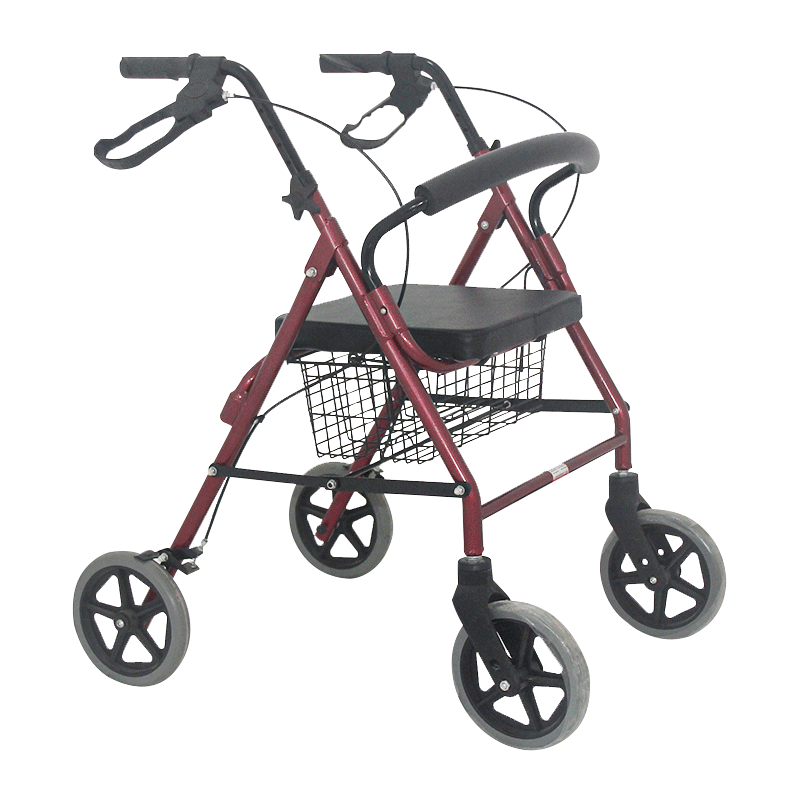
Knowing when your rollator brakes need tightening or adjustment is crucial for safe use. Here are some clear indicators that your brakes might be loose or ineffective.
● Rollator Rolls Unexpectedly: If your rollator moves forward or backward without you applying pressure to the brakes, it’s a sign the brakes aren’t gripping properly.
● Brake Handles Feel Loose: When squeezing the brake handles, they may feel spongy or require an excessive pull before the brakes engage. This usually means the brake cables have stretched or loosened.
● Delayed Stopping: The rollator takes longer to stop after applying the brakes. This delay can cause instability or falls.
● Uneven Braking: One brake works better than the other, causing the rollator to pull to one side when stopping.
● Brake Pads Dragging: Brakes feel too tight, causing the wheels to drag even when the brake handles aren’t squeezed.
● Noise or Grinding: Squeaking, grinding, or scraping sounds when applying brakes often indicate worn brake pads or misalignment.
Loose or poorly adjusted brakes can lead to serious safety risks:
● Increased Fall Risk: Without reliable braking, the rollator may slip or roll away, especially on slopes or uneven surfaces.
● Reduced Control: Difficulty slowing or stopping reduces your ability to navigate tight spaces or crowded areas safely.
● Uneven Pressure: Brakes that engage unevenly can cause the rollator to veer unexpectedly, throwing off your balance.
● Fatigue and Strain: Overly tight brakes require more hand strength, which can be tiring or painful, especially for users with arthritis or weak grips.
Regularly checking your brakes for these signs helps maintain your rollator’s safety and performance.
Test your rollator brakes weekly by pushing it forward and applying the brakes to ensure they stop promptly and evenly on both sides.
Tightening your rollator brakes is key to keeping it safe and reliable. Follow these steps carefully to restore firm brake control and confidence while moving.
Before starting, gather these basic tools:
● Screwdriver (Phillips or flathead depending on your rollator)
● Adjustable wrench or small spanner
● Gloves (optional for grip and protection)
Having the right tools handy makes the process smooth and prevents damage.
Most rollators use cable-activated brakes. The adjustment point is usually near the brake handle or where the brake cable meets the wheel brake. Look for:
● A small barrel adjuster (a round knob) on the brake lever or cable
● A locknut securing the brake cable tension
● An adjustment screw or bolt on the brake mechanism near the wheel
Consult your rollator’s manual if you’re unsure where the adjustment parts are.
1. Loosen the Locknut: Use the wrench to gently loosen the locknut that holds the brake cable tension. Don’t remove it completely—just loosen enough to allow adjustment.
2. Turn the Adjustment Screw or Barrel:Turn the barrel adjuster or screw clockwise to tighten the brake cable and increase brake tension.
a. This pulls the brake pads closer to the wheel, making the brakes firmer.
b. Make small turns, about a quarter turn at a time.
3. Check Brake Handle Feel: Squeeze the brake handle or lever as you adjust. It should feel firm but not overly hard to press. If it’s too tight, the wheels may drag.
4. Secure the Locknut: Once you find the right tension, tighten the locknut again to hold it in place.
● Push the rollator forward slowly and apply the brakes.
● The rollator should stop smoothly without the wheels dragging when brakes are off.
● Check both brakes for even stopping power.
● If brakes feel loose or uneven, repeat the adjustment steps.
● Inspect brake pads during this process. Worn pads reduce braking efficiency and may need replacement.
● Clean any dirt or debris from the brake area to prevent sticking.
● Avoid overtightening, which can cause wheel drag and make walking harder.
Always perform brake adjustments on stable, flat ground to avoid accidents during testing and ensure accurate tension settings.
Even after tightening, rollator brakes can sometimes act up. Knowing how to spot and fix common problems helps keep your rollator safe and reliable.
If squeezing the brake handles doesn’t slow or stop the rollator, the brakes are unresponsive. This can happen due to:
● Loose or Broken Brake Cables: The cable might be stretched out or snapped, preventing the brake pads from pressing against the wheels.
● Worn Brake Pads: Pads that are too thin or hardened won’t grip properly.
● Misaligned Brake Pads: Pads might not be touching the wheel rim or drum evenly.
**How to Fix:**Check the brake cables for visible damage or slack. Tighten the cables if loose, or replace them if broken. Inspect the brake pads and replace if worn. Adjust pad alignment so they contact the wheel evenly when brakes are applied.
Uneven wear means one brake pad is thinner or more worn than the other. This causes:
● Pulling to One Side: The rollator may veer when braking, making it harder to control.
● Uneven Stopping Power: One brake may feel stronger, creating imbalance.
**How to Fix:**Inspect both brake pads closely. If one pad is more worn, replace it. Adjust the position of the pads if possible to ensure even contact with the wheel. Regularly check pads to prevent uneven wear from getting worse.
Sometimes brakes lock and won’t release, causing wheels to drag or the rollator to stop moving. This can be caused by:
● Overtightened Brake Cables: Excessive tension keeps the pads pressed against the wheels.
● Debris or Rust: Dirt or rust in the brake mechanism can jam the parts.
● Faulty Locking Mechanism: The brake lock might stick or fail to disengage.
**How to Fix:**Loosen the brake cable slightly by adjusting the tension. Clean the brake parts thoroughly to remove dirt or rust. Lubricate moving parts with a light oil suitable for brake mechanisms. If the locking mechanism is faulty, professional repair may be needed.
Regularly inspect brake cables, pads, and mechanisms for wear or damage to catch issues early and maintain safe braking performance.
To keep your rollator working safely and smoothly, regular maintenance is key. Proper care extends its life and ensures the brakes stay reliable.
Dirt, dust, and moisture can cause brake parts to stick or wear out faster. Clean your rollator’s brake components often using a soft cloth and mild soap solution. Avoid harsh chemicals that could damage cables or plastic parts.
Lubricate moving parts like brake cables, levers, and adjustment screws with a light machine oil or a lubricant designed for bicycle brakes. This keeps mechanisms moving freely and prevents rust. Don’t over-lubricate; a small amount is enough to reduce friction.
Make it a habit to inspect your brakes weekly or monthly, depending on how often you use the rollator. Check for:
● Brake cable tension
● Brake pad condition
● Smooth operation of levers or loops
● Any unusual noises during braking
Testing the brakes by pushing the rollator forward and applying them helps catch issues early. Look for signs of wear or damage that might need attention.
Brake pads wear down over time and lose effectiveness. Replace pads once they become thin or hardened. Using worn pads reduces stopping power and can damage wheels.
Brake cables can stretch or fray, causing loose brakes or failure. Replace cables if you notice slack that can’t be adjusted out or visible damage.
Keep spare parts handy if possible. Many manufacturers sell replacement brake pads and cables designed specifically for your rollator model.
Schedule regular maintenance sessions to clean, lubricate, and inspect your rollator brakes—this proactive care prevents problems and keeps you safe longer.
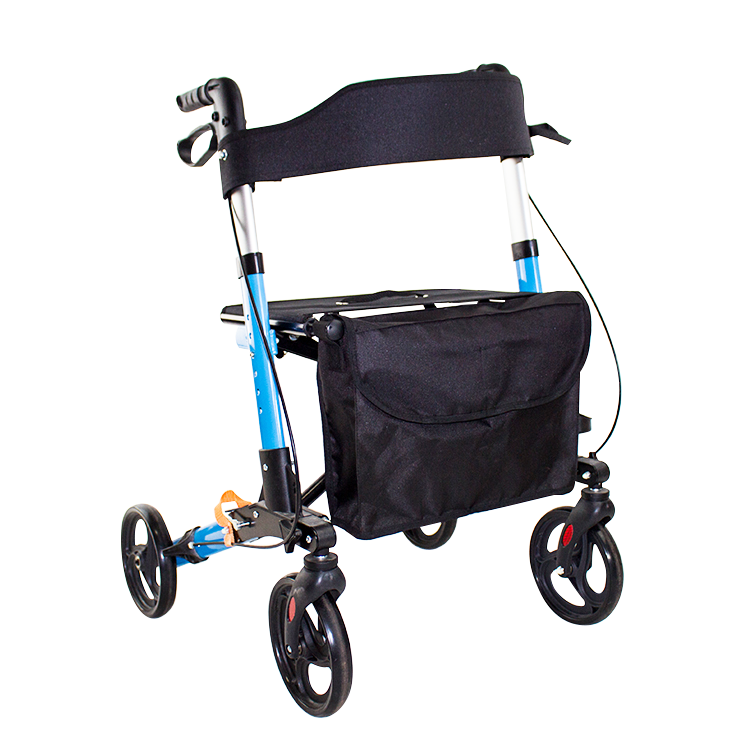
Sometimes, rollator brake problems go beyond simple adjustments. When you encounter complex issues, it's best to consult a qualified technician to ensure safety and proper function.
Certain brake problems require professional expertise:
● Persistent Brake Failure: If brakes remain unresponsive after tightening and replacing worn parts, an underlying mechanical fault might exist.
● Damaged Brake Cables or Mechanisms: Severely frayed cables, broken components, or bent brake arms need specialized repair or replacement.
● Seized or Rusted Adjustment Parts: When adjustment screws or locknuts won’t budge despite lubrication, a technician can safely disassemble and service these parts.
● Faulty Locking Mechanisms: Malfunctioning locks that stick or fail to engage properly often require professional inspection and repair.
● Unusual Noises or Vibrations: Strange sounds during braking or uneven braking force may indicate internal damage needing expert diagnosis.
Attempting to fix these issues without proper tools or knowledge can worsen damage or create safety hazards.
Here’s when to seek expert help:
● Lack of Confidence: If you’re unsure about adjusting or repairing brakes, a professional can provide safe, reliable service.
● Complex Repairs: For brake cable replacement, brake mechanism overhaul, or frame-related issues, technicians have the right tools and experience.
● Warranty Considerations: Some rollators require professional service to maintain warranty coverage.
● Regular Maintenance: Scheduling periodic professional inspections can catch hidden problems before they become serious.
Professional technicians often work at medical supply stores, mobility aid centers, or specialized repair shops. They can also help source genuine replacement parts tailored to your rollator model.
When in doubt, prioritize safety by consulting a qualified technician for complex brake repairs or persistent issues beyond basic adjustments.
Understanding rollator brake systems, such as loop lock, bicycle-style hand, and push-down brakes, ensures safety and control. Regular maintenance, including cleaning and adjustment, prolongs their effectiveness. For persistent issues, seek professional help. Foshan Feiyang Medical Equipment Co., Ltd offers reliable rollators with advanced brake systems, providing users with enhanced mobility and safety. Regular checks and adjustments of rollator brakes are essential for maintaining optimal performance and ensuring user safety.
A: Rollator walkers with seats typically have loop lock brakes, bicycle-style hand brakes, or push-down brakes, each offering different levels of control and ease of use.
A: To tighten brakes on a 4 wheel rollator walker, locate the brake adjustment mechanism, loosen the locknut, turn the adjustment screw or barrel, and secure the locknut after achieving the desired tension.
A: Unresponsive brakes on a lightweight rollator walker may be due to loose or broken brake cables, worn brake pads, or misaligned brake pads. Inspect and adjust as needed.
A: To prevent foldable rollator brakes from locking, avoid overtightening the brake cables and regularly clean and lubricate the brake mechanism to remove debris or rust.


