Professional Wheelchair & Mobility Aids Manufacturer | Feiyang Medical Phone: +86-13809226584 E-mail: fymed@vip.163.com

Author: Site Editor Publish Time: 2025-08-15 Origin: Site
If you’re facing mild to moderate mobility challenges, you’ve likely considered using a walking aid. One common question is: should you choose a cane or a medical walker stick? While both serve as tools for support, they’re designed for different levels of need. Understanding the advantages of a medical walker stick over a traditional cane can help users make more informed decisions and avoid selecting a product that doesn’t meet their needs. In this article, we’ll explore why more users are turning to medical walker sticks and how Foshan Feiyang Medical Equipment Co., Ltd. is leading in this essential category.
A cane is often the first choice for individuals who need just a bit of help with balance or fatigue while walking. Its slim design and portability make it seem like an easy and discreet solution. However, a traditional cane offers only limited support—and that can be a major drawback for users with growing or moderate mobility issues.
Most standard canes feature a single-point tip, meaning only one small area touches the ground at any given time. While this may help with light balance issues, it does little to stabilize the body during more significant instability. On uneven ground, wet surfaces, or when standing still for long periods, this limited contact can make users feel unsafe or fatigued.
Canes are best suited for those with very minor balance or strength issues. If your condition changes or progresses—such as experiencing more frequent loss of balance, joint weakness, or fatigue during walking—a cane may no longer offer the required support. Continued use in such cases could even pose a safety risk.
Because of their simple construction, canes are often recommended for short-term use following minor injuries. They are not typically engineered for long-term reliance, especially for individuals with chronic mobility challenges. In contrast, medical walker sticks are purpose-built for prolonged and frequent use.
A medical walker stick bridges the gap between the basic cane and the full-size walker. It combines the ease of use of a cane with the enhanced functionality of a mobility support tool. For users requiring more than basic assistance, the medical walker stick offers numerous advantages that significantly improve daily mobility and safety.
One of the defining features of a medical walker stick is its wide, multi-point base—often designed with three or four prongs (tripod or quadripod configuration). This broad base increases surface contact with the ground, dramatically improving stability. This is especially useful for uneven terrain, ramps, or slippery flooring, where a single-tip cane may fail to provide confidence or safety.
Compared to a cane, a medical walker stick is capable of supporting more of the user’s body weight. This reduces the burden on joints such as the knees, hips, and ankles. For individuals with arthritis or recovering from orthopedic surgery, this enhanced support makes a noticeable difference in comfort and stamina during movement.
The ergonomic design of medical walker sticks includes padded handles, adjustable height settings, and anti-slip features—all aimed at reducing the physical effort required from the user. Over time, this results in less fatigue during long walks or standing periods. Users can move with more confidence and less discomfort, encouraging greater independence.
Medical walker sticks are built for both indoor and outdoor use. Their stable design makes them appropriate for navigating tight home spaces as well as open public areas. Whether it's walking from the living room to the kitchen or taking a stroll through the park, the medical walker stick adapts well to different environments without compromising stability.
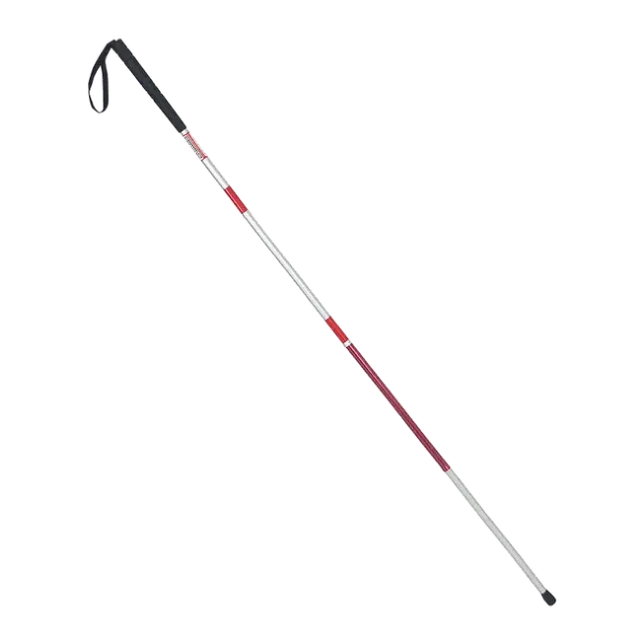
Not everyone needs to upgrade from a cane immediately. However, there are certain groups of users for whom the features of a medical walker stick offer substantial benefits. Identifying these users can help healthcare professionals, caregivers, and buyers make smarter purchasing decisions.
If balance issues are becoming more frequent, or if a user has experienced multiple near-falls, a medical walker stick is a safer alternative to a standard cane. Its stable base and improved grip reduce the risk of accidents caused by poor footing or sudden shifts in body weight.
Chronic conditions like osteoarthritis, rheumatoid arthritis, or post-surgical weakness often result in reduced leg strength. Medical walker sticks help distribute body weight more evenly, reducing pressure on affected joints and supporting the legs during movement. Users can walk further with less strain and discomfort.
If you spend large portions of the day standing or walking—whether for work, errands, or therapy—a medical walker stick offers the support needed to maintain endurance. Its design reduces cumulative fatigue and provides the user with an easy-to-use mobility solution that doesn't get in the way of daily routines.
One of the most common concerns users face is knowing when it’s the right time to transition from a cane to a more supportive device. The decision should be based on clear physical signals and medical input.
If you've begun to notice increased unsteadiness while walking, slower response times, or muscle fatigue after short distances, it may be time to reevaluate your walking aid. A cane might no longer meet your needs, and a walker stick can provide the next level of support without requiring a full transition to a walker or wheelchair.
Doctors, orthopedic specialists, and physical therapists frequently advise patients to switch to a medical walker stick when their current mobility solution becomes insufficient. This is often the case after surgery or when managing progressive neurological conditions. Their input ensures that the selected aid matches the patient's physical capabilities and rehabilitation goals.
If you feel wrist or shoulder pain while using your current cane, or if you find yourself stopping frequently due to instability, these are red flags. A medical walker stick offers better ergonomics, allowing for more natural arm and hand positioning, and may resolve these issues.
In summary, while a traditional cane offers minimal support for those with slight mobility limitations, a medical walker stick provides significant advantages in terms of stability, comfort, and long-term usability. From its broader base and improved weight distribution to its ergonomic design and enhanced support, the medical walker stick is a scientifically designed mobility solution that adapts to the real needs of users. Foshan Feiyang Medical Equipment Co., Ltd. proudly manufactures a wide range of medical walker sticks crafted to meet high-quality standards and varied user demands. If you're ready to explore the next level of walking assistance, contact us to learn more about our innovative mobility products and how they can enhance your daily life.


