Professional Wheelchair & Mobility Aids Manufacturer | Feiyang Medical Phone: +86-13809226584 E-mail: fymed@vip.163.com

Author: Site Editor Publish Time: 2025-08-08 Origin: Site
Mobility issues can arise at any stage of life, whether due to aging, injury, or medical conditions. When mobility becomes a concern, choosing the right aid can make a profound difference in safety and independence. A medical walker stick is a specialized tool designed to support users who are unsteady on their feet but don’t yet require a full walker or wheelchair. In this blog, we’ll explain what sets a medical walker stick apart, who it’s best suited for, and how it fits into daily life. At Foshan Feiyang Medical Equipment Co., Ltd., we are committed to designing and manufacturing high-quality medical walker sticks to meet the unique needs of every user.
A medical walker stick is more than just a stick you hold while walking. It is a carefully engineered mobility aid created to offer greater support than a regular cane, while remaining lighter and more flexible than a full-size walker. Its main purpose is to provide users with additional stability during walking, especially when balance or strength is compromised.
Compared to traditional canes, medical walker sticks often feature a broader, multi-point base, such as a tripod or quadripod design. This ensures more consistent ground contact and improves balance. Many models are also height-adjustable to match the user’s stature, reducing strain on the shoulders and wrists. Additional enhancements may include:
Ergonomic, cushioned handles for comfort
Anti-slip rubber tips for added safety
Lightweight but durable aluminum or alloy frames
Foldable or collapsible options for travel
The key difference between a regular cane and a medical walker stick lies in the intent of design. While canes are often used temporarily or for minimal support, medical walker sticks are designed for long-term or daily use by those who need a more reliable aid. Their weight distribution and stability features help reduce the risk of slips, falls, and muscle fatigue.
Understanding who benefits from a medical walker stick is essential for recommending the right product. This type of mobility aid is especially valuable for users who require moderate support and want to maintain a high level of independence.
As we age, balance becomes more difficult due to reduced muscle mass, slower reflexes, and sometimes vision or joint problems. A medical walker stick allows seniors to feel more confident when moving around both inside the house and outdoors. It acts as a preventive measure, minimizing the risk of falls—one of the leading causes of injury in older adults.
Recovering from surgery—such as knee replacements, hip replacements, or spinal procedures—often requires limited but secure mobility. A medical walker stick offers just enough support to allow for gradual movement, making it ideal during recovery periods. It helps patients rebuild strength in a controlled way, without the need for heavy equipment.
People living with conditions such as multiple sclerosis, Parkinson’s disease, arthritis, or peripheral neuropathy often experience muscle weakness, joint pain, or tremors. For these individuals, a medical walker stick helps maintain daily function and personal mobility while reducing physical strain and discomfort.
Injuries like ankle sprains, minor fractures, or post-cast rehabilitation phases can benefit from using a medical walker stick. It can serve as a temporary yet effective tool to ease walking until full recovery is achieved, without overburdening other joints.
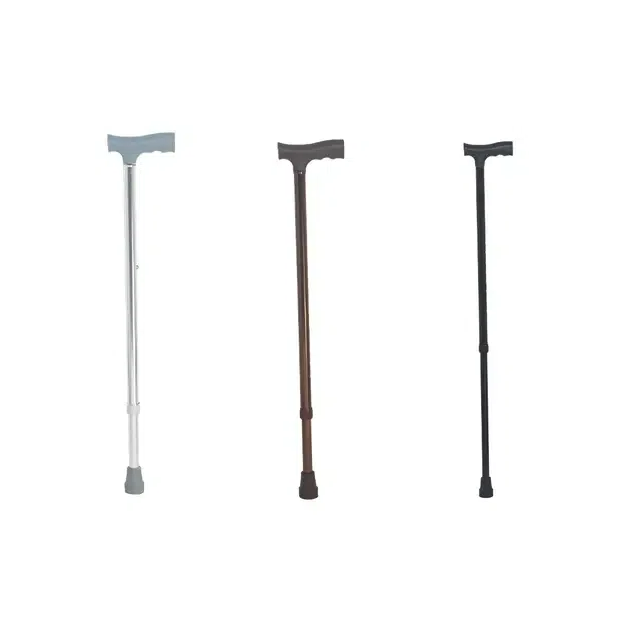
Knowing when and where to use a medical walker stick can help users incorporate it more naturally into their routines. Its versatility is one of its strongest advantages.
In a home setting, where space is often limited, medical walker sticks are ideal for moving from room to room safely. Their compact design allows for ease of use in narrow hallways, kitchens, and bathrooms—places where a full-sized walker might be impractical.
Hospitals and rehabilitation centers often recommend medical walker sticks as part of discharge plans. Patients leaving inpatient care may not be ready for unrestricted movement, but still want to avoid dependence on others. The walker stick gives them the freedom to walk, stop, rest, and continue on their own terms.
Whether visiting a market, walking through a park, or standing in line at a bank, users can rely on a medical walker stick for security and balance. It allows them to participate more actively in social and community activities without fear of tripping or losing balance.
Medical walker sticks are designed for use on a variety of surfaces. Non-slip feet and stable handles provide confidence even on slightly uneven or paved outdoor terrain. While not intended for rugged hiking, they are ideal for strolls in parks, neighborhood walks, and outdoor shopping trips.
Sometimes, people wait too long before using a mobility aid due to stigma or denial. However, starting early can prevent more serious injuries.
Doctors and physical therapists frequently assess balance, stride, and leg strength when determining whether a mobility aid is needed. A medical walker stick is often prescribed for patients with minor to moderate mobility challenges. Early intervention is key—it helps maintain muscle conditioning and prevents complications from falls.
You don’t always need to wait for a doctor’s recommendation. Consider using a medical walker stick if you:
Feel unsteady when walking or climbing stairs
Find yourself holding furniture or walls for support
Struggle to rise from chairs or sofas
Feel anxious about walking in public or crowded areas
Recognizing these signs early and taking action can help you maintain control over your mobility and independence.
Despite their practicality, medical walker sticks are often misunderstood. Dispelling these myths is critical for helping users make informed choices.
While older adults are a key user group, medical walker sticks are suitable for anyone experiencing mobility challenges. Younger individuals recovering from sports injuries or surgery also benefit from these devices. Their discreet design and portability make them a practical choice across all age groups.
Medical walker sticks vary in terms of features, height, grip style, and base configuration. Choosing the wrong type can lead to discomfort or even injury. That’s why it's important to consult professionals and consider user-specific needs—whether it’s anti-shock tips, adjustable length, or comfort grip handles.
In truth, a medical walker stick can actually preserve independence. Rather than restricting users, it gives them the confidence to move safely and perform daily tasks on their own. It enables users to remain active and avoid reliance on others for help with mobility.
The medical walker stick is a simple yet powerful mobility aid that empowers users facing balance or walking challenges. Designed for safety, comfort, and ease of use, it serves as a valuable tool for seniors, recovering patients, and anyone experiencing limited mobility. At Foshan Feiyang Medical Equipment Co., Ltd., we specialize in developing and manufacturing premium rehabilitation products that meet global standards. If you're exploring reliable and professionally designed mobility aids, we invite you to contact us today to learn more about our range of medical walker sticks and how we can support your needs.


