Professional Wheelchair & Mobility Aids Manufacturer | Feiyang Medical Phone: +86-13809226584 E-mail: fymed@vip.163.com

Author: Site Editor Publish Time: 2026-09-22 Origin: Site
In a saturated mobility aids market, selling generic off-the-shelf products often leads to a race to the bottom on price. Consumers face endless rows of identical silver metal poles online. Competing solely on cost strips away your profit margins quickly. Standard white-label products struggle to build lasting customer loyalty.
For medical distributors, pharmacies, and mobility brands, moving from standard white-label products to a custom-branded walking cane represents a significant strategic shift. This evolution establishes deep market presence. Differentiating your inventory creates direct loyalty among end-users seeking reliable daily support. You can finally step away from constant price wars.
This guide provides a clear evaluation framework to help businesses determine if the ROI of customization outweighs the implementation costs, and how to execute the transition effectively. We will explore exactly how to navigate supplier selection, regulatory compliance, and structural design upgrades.
Customizing your walking cane inventory builds brand equity and shields margins from aggressive price matching.
The decision to customize should be triggered by specific volume thresholds, targeted demographic needs (e.g., specific ergonomics or aesthetics), and long-term brand goals.
Selecting the right manufacturing partner requires evaluating their ability to meet exact compliance standards, manage MOQs, and deliver consistent quality across your entire walking aid series.
Factoring in end-user realities—such as height adjustments, gait support, and lifestyle integration—into your design specifications is critical for market success.
Standard mobility aids flood online marketplaces and pharmacy aisles. Buyers struggle to spot real differences between competing devices. This market saturation creates severe price sensitivity. Brand loyalty remains incredibly low in this generic space. Consumers simply grab the cheapest option available on the shelf.
Moving away from unbranded items shields your profit margins. A well-branded product instantly signals quality and trust. You can command premium pricing for superior ergonomics. B2B clients and end-users return to brands they recognize. Recurring loyalty heavily depends on this visual and tactile differentiation. You transition from a commodity seller to a trusted healthcare partner.
How do you know you are ready? Look at specific success criteria first. Before launching custom models, evaluate these baseline metrics carefully:
Assess your current monthly sales volume accurately.
Review recent customer feedback highlighting unmet daily needs.
Identify your desire to enter premium retail spaces.
When users complain about slipping grips, they demand a solution. If your generic inventory ignores these complaints, you lose market share. Addressing these gaps builds substantial brand equity over time. You create a moat around your business by offering proprietary solutions.
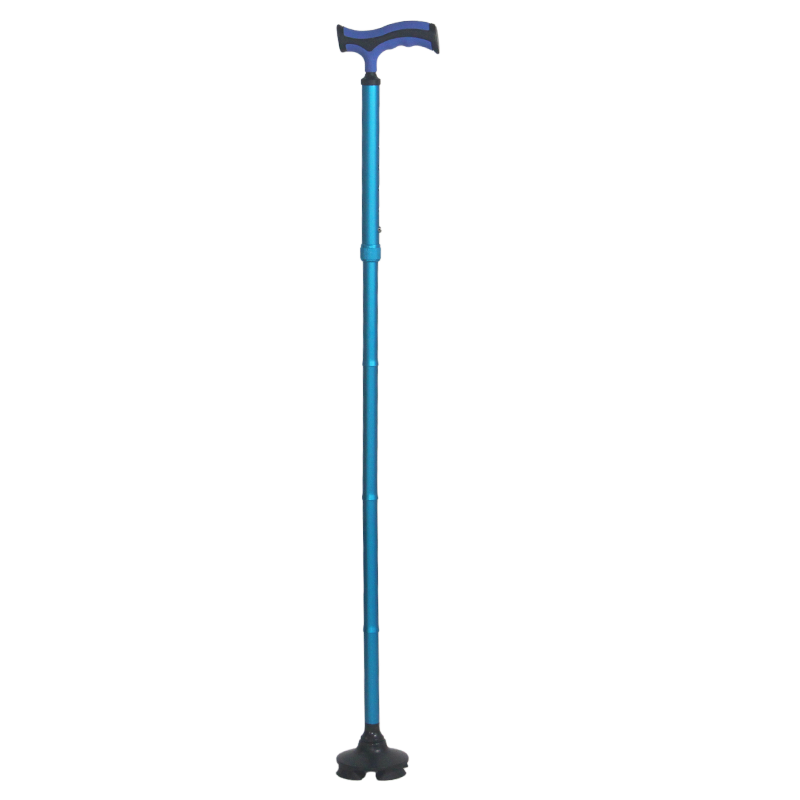
Customizing mobility tools requires upfront financial commitment. You must meet specific Minimum Order Quantities (MOQs). Factories rarely customize small batches profitably. Customization becomes highly viable when your baseline sales justify larger production runs. Reaching this volume threshold eliminates the risk of unsold custom inventory. You should calculate your quarterly sales velocity before committing.
Listen closely to your niche audience demands. End-user feedback constantly dictates necessary design changes. Standard grip comfort often fails older adults. Poor handle angles cause wrist pain during prolonged use. Users quickly request custom ergonomic handles based on distinct gait analysis. Adapting to these specific demographic needs separates your brand from cheap importers. You serve your audience better by designing specifically for their physical limitations.
Portfolio expansion also serves as a major tipping point. Many businesses start by selling a single generic device. Eventually, growth requires launching a cohesive, branded walking aid series. A unified product line establishes deep market authority. It proves your long-term commitment to user mobility. Customization ensures all products share the same visual language and quality standards. Retailers prefer stocking complete series rather than disjointed individual items.
You have several avenues for product differentiation. Material and structural upgrades offer immediate value. Upgrading to a foldable aluminum medical walking stick cane provides lightweight durability. Users love the travel convenience of collapsing their support tool. Stronger aluminum grades prevent bending under heavy loads. You provide tangible improvements over standard wooden or steel models.
Ergonomics and end-user fit directly impact daily comfort. You must integrate reliable adjustable mechanisms. Different users require vastly different height settings. Specialized grips accommodate specific mobility limitations. Derby handles offer classic support. Offset handles center the user's weight over the shaft. Anatomical grips distribute pressure evenly across the palm. These ergonomic upgrades reduce hand fatigue significantly.
Aesthetics and finish reduce the clinical stigma associated with mobility loss. Move far beyond standard clinical silver. You can customize tools using proprietary brand colors. Unique patterns and premium matte finishes look modern. An attractive device feels like an accessory rather than a medical necessity. Users feel more confident carrying well-designed equipment in public.
Do not neglect your packaging and unboxing experience. You should design retail-ready branded packaging. A high-quality box clearly communicates your unique value proposition. Include clear visual instructions for height adjustment and safety. Good packaging reduces return rates by educating the user immediately.
The chart below outlines common upgrade paths for mobility brands.
Category | Standard Option | Custom Upgraded Option | User Benefit |
|---|---|---|---|
Material | Basic Steel | Lightweight T6 Aluminum | Easier lifting, prevents fatigue. |
Structure | Fixed Length Shaft | Collapsible/Foldable Joints | High travel convenience. |
Ergonomics | Hard Plastic T-handle | TPR Anatomical Grip | Reduces palm pressure and sweat. |
Aesthetics | Clinical Silver Finish | Matte Black or Custom Patterns | Eliminates medical stigma. |
Every customization strategy requires a strict cost-to-benefit analysis. You face several upfront costs immediately. Custom molds demand significant initial capital. Tooling adjustments and specific branding fees add to the bill. However, you must weigh these expenses against projected margin increases. Premium products yield much higher per-unit profits. You recover mold costs quickly if sales volumes remain steady.
Regulatory and compliance realities require strict attention. Health authorities generally classify these mobility tools as Class I medical devices. Aesthetic changes rarely cause regulatory issues. However, structural modifications must never compromise integrity. You must prioritize necessary CE and FDA compliance. Re-testing may be required if you alter folding mechanisms or handle angles. Always maintain comprehensive documentation for safety audits.
Supply chain lead times often extend during custom runs. Stock items ship almost immediately. Custom orders require meticulous production scheduling. You must acknowledge the potential risks of these longer lead times. Maintain transparent assumptions on shipping durations. Buffer your inventory to prevent stockouts while waiting for custom batches. Plan your product launches around these extended timelines.
Best Practices for Implementation:
Order a small pilot run before mass production.
Test new grips with real users for two weeks.
Verify load-bearing limits through independent labs.
Common Mistakes to Avoid:
Changing structural tubes without updating weight ratings.
Ignoring international shipping delays during peak seasons.
Prioritizing extreme colors over core grip functionality.
Choosing the right manufacturing partner dictates your ultimate success. You must evaluate their specific manufacturing capabilities closely. Determine if the factory owns their molds or outsources them. A reliable facility handles complex assemblies effortlessly. They should consistently manufacture intricate folding joints without excessive defect rates. Look for suppliers holding ISO 13485 certifications for medical device manufacturing.
Documentation proves a partner's overall reliability. A trustworthy facility provides transparent, rigorous walking cane specifications. You need exact details regarding weight capacity testing. Request documents proving material grades and grip durability. Vague answers regarding load testing indicate severe compliance risks. Insist on seeing their raw material sourcing certificates.
Assess their internal Quality Control (QC) protocols thoroughly. Ask about their historical defect rate. High-tier manufacturers gladly offer third-party inspection capabilities before shipment. They welcome external audits because they trust their production lines. Strict QC prevents dangerous structural failures in the field.
Initiate the Request for Quote (RFQ) process clearly. Provide your exact material requirements upfront. Always request physical samples before signing large contracts. Conduct a focused pilot run to verify market acceptance. Only commit to full-scale production after validating the sample's durability and finish. Partnering with an experienced walking cane supplier minimizes your transition risks drastically.
Customizing your mobility products acts as a powerful growth lever. Brands ready to scale past generic arbitrage must differentiate visually and structurally. You cannot rely on white-label imports forever. Balancing aesthetic branding with medical-grade reliability secures long-term customer trust.
Take these actionable next steps to begin your transition:
Audit your current monthly sales volume to verify MOQ readiness.
Review past customer feedback to pinpoint specific ergonomic complaints.
Draft a clear list of desired material and structural upgrades.
Contact a qualified manufacturing partner to request a fully customized physical sample.
A: MOQs vary heavily by customization depth. Simple logo printing might require only 500 units. Creating a custom mold for a proprietary handle could require 2,000 or more units to offset tooling costs. Discuss tiered pricing with your manufacturer.
A: Aesthetic changes usually do not affect compliance. However, structural changes certainly do. Implementing new folding mechanisms or new handle angles may require rigorous re-testing. You must update your regulatory filings if the device's structural integrity changes.
A: You should plan for a realistic timeline. It typically takes 30 to 45 days for actual production. You must add 15 to 30 days for shipping and customs processing. The total timeline depends heavily on your supplier's physical location.
A: You must list critical functional specs clearly. Request the maximum weight capacity limits. Specify the exact aluminum tube thickness required. Demand slip-resistant rubber tip materials. Always define the exact height adjustment range needed for your target demographic.


