Professional Wheelchair & Mobility Aids Manufacturer | Feiyang Medical Phone: +86-13809226584 E-mail: fymed@vip.163.com

Author: Site Editor Publish Time: 2026-09-03 Origin: Site
A shower chair is not just bathroom furniture; it is critical safety equipment. Material failure in a wet, high-friction environment can lead to severe injuries. Daily bathing routines place immense physical stress on these supportive devices. Continuous exposure to hard water, heat, body weight, and soap scum accelerates degradation. You will quickly notice rust, mold, and structural fatigue creeping in over time. We created this guide to provide a transparent, specification-driven framework for evaluating material durability. You will learn exactly how different metals, plastics, and woods hold up under pressure. Ultimately, this knowledge helps buyers and caregivers make a medically sound and financially responsible decision. Choosing the right base material ensures long-term stability and user safety.
Understanding bathroom hazards helps you choose better medical equipment. Bathrooms create a uniquely hostile environment for manufactured materials. A combination of moisture, physical force, and chemical agents constantly attacks the chair structure. You must evaluate these three core threats before purchasing any bathing aid.
Constant humidity and water pooling test the absolute limits of any material. Bathrooms trap steam daily. This moisture causes galvanic corrosion in untreated metals. Water also causes delamination or rot in untreated organic materials like cheap wood. Even high-grade plastics face challenges if moisture breeds mold in hidden crevices. Water acts as a persistent catalyst for structural breakdown.
You must carefully assess the "Plus-Size" reality of bathing equipment. Chairs do not just hold static weight. Users shift constantly while washing. They lean forward, reach for soap, and slide side to side. This lateral shifting stresses joints intensely. A chair might support 300 pounds of stationary weight perfectly. However, the same chair could buckle under a 250-pound user transferring their weight suddenly. Dynamic force damages weak frames faster than static pressure.
Bathing environments expose equipment to harsh chemical compounds. Body washes, shampoos, and heavy-duty bathroom cleaners coat the legs and seat daily. These chemicals degrade protective coatings over time. Acidic cleaners eat away clear coats on metals. Heavy surfactants strip plasticizers from rubber feet. This continuous chemical exposure leaves underlying materials vulnerable to rapid oxidation and brittleness.
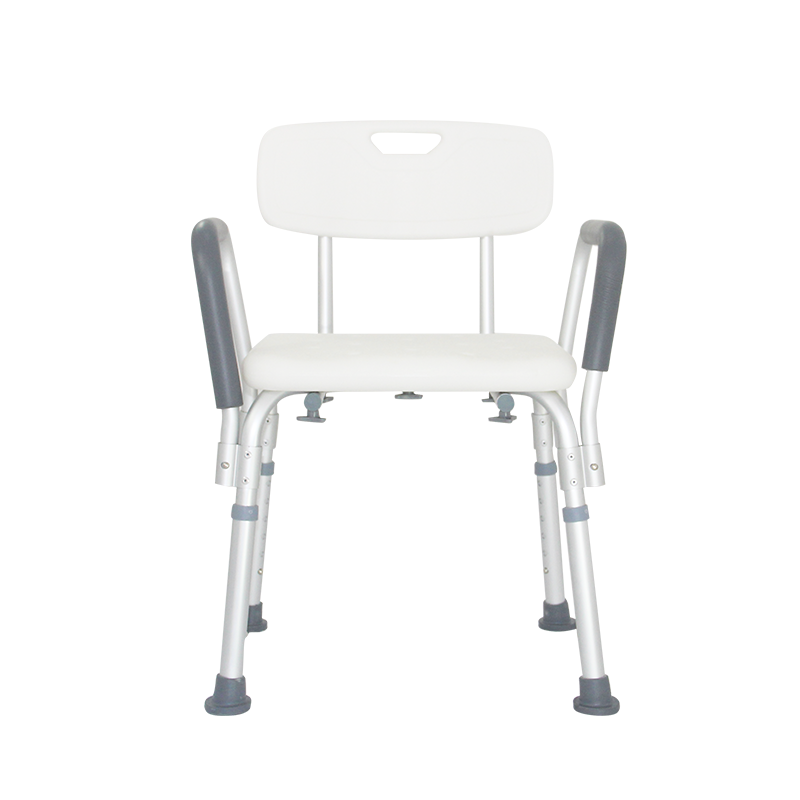
Every manufacturing material possesses distinct strengths and fatal flaws. We break down the most common materials used in modern bathing aids. This analysis highlights exactly what you should expect regarding longevity and safety.
Aluminum dominates the medical equipment market for good reason. It offers an exceptional balance of practicality and safety.
HDPE serves as the premier choice for seating surfaces. Manufacturers mold it into comfortable, supportive shapes.
Wooden seating appeals to users seeking a spa-like aesthetic. It blends beautifully into modern bathroom decors.
Steel provides unmatched raw strength. Hospitals often utilize steel frames for bariatric patients.
| Material | Rust Resistance | Weight Capacity | Maintenance Level |
|---|---|---|---|
| Anodized Aluminum | Excellent | Medium-High | Low |
| HDPE Plastic | Immune | Medium | Low |
| Teak Wood | Good (if oiled) | Medium | High |
| Coated Steel | Poor (if scratched) | Very High | Medium |
Marketing terminology often obscures actual product quality. Words like "sturdy" or "premium" mean nothing without hard data. You must analyze exact engineering details to guarantee user safety.
Certain structural designs introduce unique weaknesses. Convenience features sometimes compromise long-term durability. You must weigh functionality against potential failure points.
Folding mechanisms save valuable bathroom space. However, they introduce significant weak points. Every hinge acts as a potential failure zone. Hinges are highly susceptible to rust and metal fatigue. Water easily traps itself inside folding joints. Over time, the repeated opening and closing grinds away protective coatings. You must inspect folding mechanisms monthly for stiffness or corrosion.
Height customization is essential for ergonomic seating. Most products utilize push-pin mechanisms. These spring buttons allow you to slide the leg up or down. Unfortunately, this design can trap water inside the aluminum tubing. Trapped water breeds mold and causes internal degradation. Look for designs featuring internal drainage holes at the very bottom of the leg tubes. These holes allow water to escape freely.
Cushioning improves comfort for users experiencing pain or skin sensitivity. Yet, padding introduces serious hygiene risks. Closed-cell foam proves highly durable because it repels water naturally. Conversely, open-cell foam covered in thin vinyl fails inevitably. The vinyl will eventually tear. Once punctured, the inner foam absorbs water like a sponge. It will harbor dangerous mold and bacteria. Always prioritize rigid plastics or pure closed-cell foams for sanitary reasons.
The company behind the product matters just as much as the materials used. Medical equipment requires strict oversight. You should evaluate brands based on their professional credentials and customer support.
A trustworthy shower chair supplier should provide proper documentation. Look for FDA registration, CE marks, or ISO certifications. These badges prove they follow strict medical-grade manufacturing standards. ISO 13485 certification indicates rigorous quality control processes. Uncertified novelty brands often bypass safety testing to lower their prices.
You must scrutinize the fine print closely. Does the warranty cover rust and hinge failure? Many cheap brands only cover "factory defects" upon arrival. They explicitly exclude rust or corrosion damage. A robust warranty demonstrates the manufacturer's confidence in their coating processes and material selection.
Durable equipment should be repairable. Rubber tips eventually wear down from floor friction. You should vet suppliers based on their parts catalog. Check for the availability of replacement rubber ferrules, backrests, and hardware kits. Buying a whole new unit simply because one rubber foot cracked is financially wasteful.
A: Aluminum does not rust like steel, but it can corrode (oxidize) if untreated. Anodized aluminum prevents this, making it highly durable for shower environments. The anodizing process creates a protective oxide layer. This barrier easily withstands constant water exposure, humidity, and mild cleaning chemicals.
A: Cross-braced, heavy-gauge aluminum or specialized medical-grade stainless steel with reinforced welding works best. These models are verified to support over 400 lbs. Always look for bariatric-specific designs. They feature wider seating, thicker tubing, and extra support struts to handle dynamic weight shifting safely.
A: Yes, but conditionally. Teak is highly durable only if the owner commits to periodic cleaning and oiling to prevent mold and drying out. It contains natural oils fighting water intrusion. However, neglecting maintenance allows soap scum buildup and eventual wood degradation. It is not maintenance-free.


