Professional Wheelchair & Mobility Aids Manufacturer | Feiyang Medical Phone: +86-13809226584 E-mail: fymed@vip.163.com

Navigating the world of mobility aids can be challenging, especially when it comes to understanding insurance coverage. Rollator walkers are essential tools for many individuals seeking greater independence and stability while walking. This article explores whether Medicare covers rollator walkers, the criteria for coverage, and the steps needed to obtain one. By clarifying these aspects, we aim to help users make informed decisions about their mobility needs and financial considerations.
A rollator walker is a mobility aid designed for people who need balance support and help walking. Unlike traditional walkers, which must be lifted with each step, rollators have wheels that allow smooth rolling. This makes walking easier and less tiring.
Typically, rollators have three or four wheels. They come with features like hand brakes, a built-in seat for resting, and adjustable handlebars. These features help users move safely, comfortably, and independently.
Rollators include several key features that enhance mobility:
● Wheels: Usually three or four, providing stability and ease of movement.
● Hand brakes: Allow users to control speed and stop safely.
● Built-in seat: Offers a place to rest when tired.
● Adjustable handlebars: Fit different heights for ergonomic use.
● Storage options: Baskets or pouches to carry personal items.
These features make rollators more versatile than standard walkers or canes. They help users stay active while reducing the risk of falls.
Rollators come in various types to suit different needs:
● 3-wheel rollators: Lighter and easier to turn in tight spaces but usually lack a seat.
● 4-wheel rollators: More stable, often include a seat, suitable for both indoor and outdoor use.
● Lightweight rollators: Made from materials like aluminum, easier to carry and transport.
● Foldable rollators: Can be folded for storage or travel convenience.
Choosing the right type depends on the user’s lifestyle, home environment, and physical condition. For example, a person living in a small apartment might prefer a foldable, lightweight 3-wheel rollator. Someone who needs to rest frequently may benefit from a 4-wheel model with a seat.
Rollators are particularly helpful for people with arthritis, neurological conditions, or balance problems. They provide more support than a cane and allow more freedom than a standard walker.
When selecting rollators for your clients or patients, consider their daily activities and home layout to recommend the most suitable type, ensuring better mobility and independence.
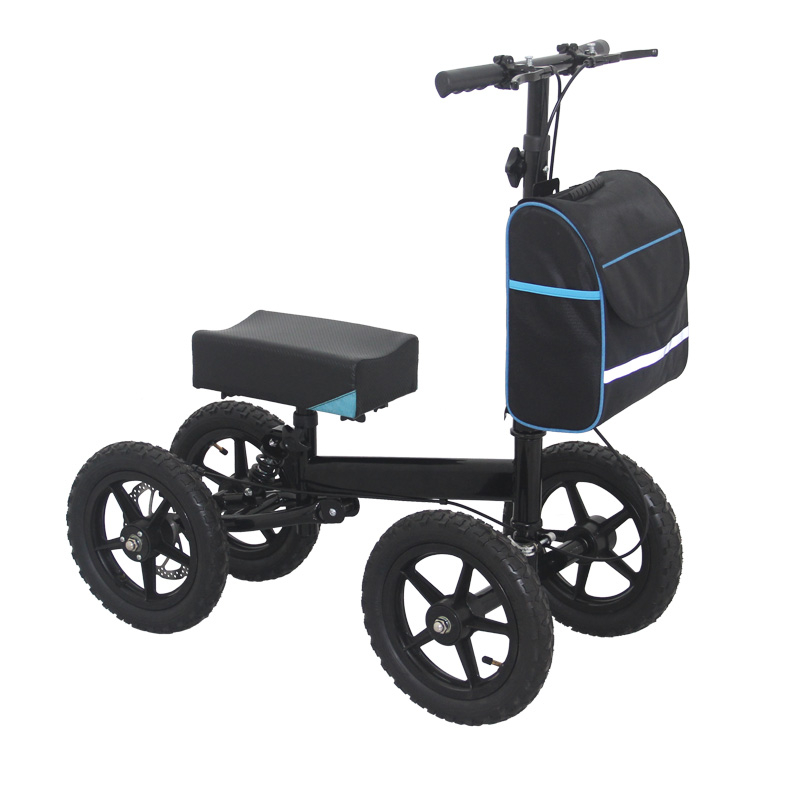
Medicare Part B covers rollator walkers as part of durable medical equipment (DME). To qualify, the rollator must be medically necessary and prescribed by a Medicare-enrolled doctor after a face-to-face exam. The walker should help you move safely inside your home and last at least three years.
Medicare only covers equipment used primarily indoors, so rollators meant just for outdoor use usually won’t qualify. You must get the rollator from a supplier approved by Medicare who accepts assignment, meaning they agree to Medicare’s payment terms.
Medicare requires clear proof that a rollator walker is the right choice for your condition. Your doctor needs to document:
● A medical condition limiting your ability to walk or balance safely.
● Why a rollator walker is better than a cane or standard walker.
● That you can use the rollator safely inside your home.
Common qualifying conditions include arthritis, stroke recovery, Parkinson’s disease, or other mobility impairments. The equipment must be necessary to improve your daily function, not just for convenience.
Medicare usually covers the purchase of the rollator rather than rental since the device is expected to last several years. Accessories like seats or baskets may be covered if medically needed but cosmetic upgrades typically aren’t.
Medicare Advantage plans (Part C) must cover at least the same DME benefits as Original Medicare but often have extra rules. These may include:
● Prior authorization requirements before you get the rollator.
● Restrictions to suppliers within the plan’s network.
● Different copayment or coinsurance amounts.
● Additional benefits like upgraded equipment options.
Coverage details vary widely among Medicare Advantage plans. Always check your specific plan’s benefits or call customer service to confirm coverage rules, costs, and supplier choices.
When helping clients obtain a rollator walker, ensure their doctor documents medical necessity clearly and verify the supplier accepts Medicare assignment to avoid claim denials or unexpected costs.
When Medicare Part B covers a rollator walker, you usually pay part of the cost. First, you must meet the annual Part B deductible, which is $257 in 2025. After that, Medicare covers 80% of the approved amount, and you pay the remaining 20% as coinsurance.
For example, if the Medicare-approved price for a rollator is $200, you pay $40 after meeting the deductible. If you haven’t met the deductible, you pay the full cost until it’s reached.
Rollators generally cost between $80 and $250, depending on the model and features. Heavier-duty or specialty rollators may cost more, which means your coinsurance will also be higher.
If you have a Medigap plan (Medicare Supplement Insurance), it can help cover your 20% coinsurance. Some Medigap plans pay the entire coinsurance amount, reducing your out-of-pocket costs significantly.
However, Medigap doesn’t cover the deductible, so you still pay that amount each year before Medicare starts paying. Also, Medigap does not cover any features or add-ons Medicare excludes.
Medicare only covers rollators that meet medical necessity and basic functionality. If you want extra features—like cushioned seats, larger wheels for outdoor use, or fancy designs—you’ll likely pay for these upgrades yourself.
Similarly, accessories such as stylish baskets or storage bags not required for medical use usually aren’t covered. Suppliers might offer these as add-ons, but Medicare won’t reimburse their cost.
If you want to upgrade, ask your supplier for the base model price and the cost of any extras. This way, you can decide what fits your budget and needs.
Advise clients to check if their Medigap plan covers the 20% coinsurance on rollator walkers to minimize out-of-pocket expenses.
To get a rollator walker covered by Medicare, start by visiting a Medicare-enrolled healthcare provider. During your appointment, the provider will perform a face-to-face exam to assess your mobility needs. They must document your condition clearly, explaining why a rollator walker is necessary instead of a cane or standard walker.
Your provider will write a prescription that includes this medical justification. This written order is essential for Medicare coverage. Without it, Medicare won’t pay for the rollator. Make sure the provider knows you need the equipment for use inside your home, as Medicare coverage requires this.
Once you have a prescription, find a supplier enrolled in Medicare’s Durable Medical Equipment (DME) program. Suppliers must accept Medicare assignment, meaning they agree to the price Medicare approves. This keeps your out-of-pocket costs predictable.
Use the Medicare DME Supplier Directory online to locate approved suppliers near you. You can also ask your provider or local hospital for recommendations. Avoid suppliers who ask for full payment upfront without submitting claims to Medicare, as you might lose your reimbursement.
When contacting suppliers, confirm they have the exact rollator model you need and accept Medicare assignment. Some suppliers offer delivery and setup services, which can be helpful for people with limited mobility.
Typically, your supplier handles the Medicare claim after you order the rollator. They submit the required paperwork, including your prescription and medical documentation, directly to Medicare. This process usually takes one to three weeks.
If you pay out-of-pocket and want Medicare reimbursement, you can file a claim yourself using the CMS-1490S form. Include a copy of your receipt, prescription, and medical records. Submit claims within one year of purchase for eligibility.
After Medicare processes the claim, you’ll pay your share, usually 20% coinsurance after meeting the Part B deductible. Keep all documents and receipts in case Medicare requests additional information or if you need to appeal a denial.
Always verify your supplier accepts Medicare assignment before ordering to avoid unexpected costs and ensure smooth claim processing.
Medicare may deny coverage for a rollator walker for several reasons. One common cause is insufficient documentation of medical necessity. If your doctor’s records don’t clearly explain why a rollator is needed instead of a cane or standard walker, Medicare could reject the claim.
Another reason is if you already have a similar device and haven’t provided justification for a replacement. Medicare expects durable medical equipment like rollators to last at least three years, so early replacements require strong evidence.
Choosing a supplier not enrolled in Medicare or who doesn’t accept assignment can also cause denial. Medicare only pays approved suppliers who agree to their pricing rules. If you buy from a non-approved source, you may have to pay the full cost yourself.
Coverage might be denied if the rollator includes features Medicare considers enhancements or cosmetic upgrades. For example, fancy seats, oversized wheels for outdoor use, or extra storage beyond basic medical need may not be covered.
Finally, Medicare requires the device be used primarily inside the home. If your claim notes the rollator is for outdoor or recreational use only, it will likely be denied.
If Medicare denies your claim, don’t give up. You have the right to appeal within 120 days of the decision. The first step is to request a redetermination from the Medicare Administrative Contractor (MAC). This involves submitting additional information or corrected documentation to support your claim.
Work closely with your healthcare provider to gather any missing medical records, new prescriptions, or detailed explanations of your mobility needs. You may also include letters from therapists or specialists who support the medical necessity.
If the redetermination is denied, you can continue to higher levels of appeal, such as reconsideration by a Qualified Independent Contractor (QIC) or even a hearing before an administrative law judge. Each step requires careful paperwork and deadlines, so staying organized is crucial.
Navigating Medicare denials can be confusing and stressful. A Solace advocate can help you manage the process smoothly. These experts understand Medicare’s rules and know how to collect the right documents to strengthen your appeal.
They coordinate communication between you, your doctor, and Medicare. Advocates track deadlines, prepare appeal forms, and ensure all medical evidence meets Medicare’s standards. Their support can increase your chances of overturning a denial and getting the rollator walker you need.
If you face a denial, consider reaching out to a Solace advocate early. They can save time, reduce frustration, and guide you through complex insurance procedures.
When submitting a Medicare claim for a rollator, ensure your doctor’s documentation clearly states medical necessity and that you use a Medicare-approved supplier to minimize risk of denial.
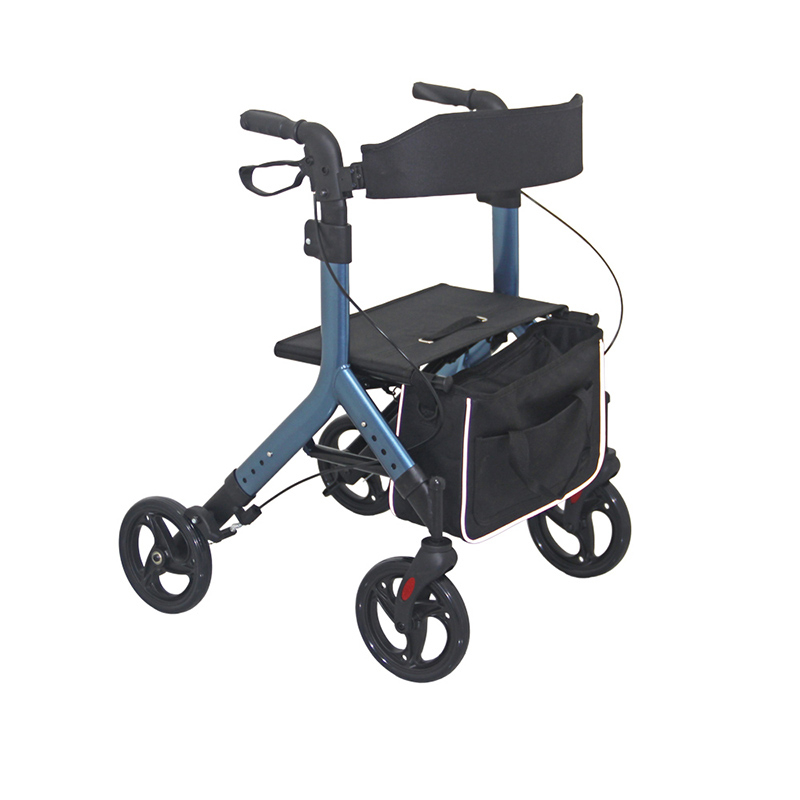
Medicare covers several mobility aids besides rollator walkers. Standard walkers are one common alternative. They usually have no wheels or just two front wheels, requiring users to lift or slide them as they walk. These walkers offer sturdy support but less mobility freedom than rollators.
Canes are another option. They provide minimal support and are best for people with mild balance issues or weakness on one side. Medicare covers basic canes and quad canes (with four feet) if prescribed for medical reasons.
Choosing between a cane, standard walker, or rollator depends on balance, strength, and safety needs. For example, someone with mild arthritis might only need a cane, while a person recovering from a stroke might require a standard walker or rollator.
For individuals with more severe mobility challenges, Medicare may cover manual or power wheelchairs. Manual wheelchairs require the user or a caregiver to push the chair, while power wheelchairs have motors controlled by a joystick or other interface.
Wheelchairs are suitable when walking aids like rollators or walkers no longer provide enough support or when walking causes significant fatigue or pain. Medicare requires a face-to-face exam and documentation of medical necessity before covering these devices.
Power wheelchairs often need prior authorization from Medicare or the Medicare Advantage plan, due to their higher cost and complexity.
Deciding on the right mobility aid involves assessing your physical condition and daily activities. Consider alternatives if:
● You cannot safely use a rollator due to poor upper body strength or severe balance issues.
● You need to travel longer distances regularly, making a wheelchair or scooter more practical.
● Your home environment has limited space, making a smaller cane or standard walker preferable.
● You require a temporary aid after surgery or injury, where rental options might be better.
Your healthcare provider can help determine which device best suits your lifestyle and medical needs. Remember, Medicare coverage depends on medical necessity and proper documentation.
When advising clients on mobility aids, evaluate their strength, balance, and daily routines to recommend the most effective and Medicare-covered device, ensuring safety and independence.
Medicare Part B covers rollator walkers as durable medical equipment if medically necessary and prescribed by a doctor. To ensure coverage, use a Medicare-approved supplier and confirm medical documentation. For clients navigating Medicare for mobility aids, Foshan Feiyang Medical Equipment Co., Ltd offers rollators with ergonomic designs, enhancing user independence and safety. Their products are known for quality and reliability, providing excellent support for those with mobility challenges.
A: Yes, Medicare Part B may cover a lightweight rollator walker if it's medically necessary and prescribed by a Medicare-enrolled doctor. Ensure it's used primarily inside your home and obtained from a Medicare-approved supplier.
A: To obtain a foldable rollator through Medicare, visit a Medicare-enrolled provider for a prescription, then purchase from a Medicare-approved supplier who accepts assignment. Ensure it's documented as necessary for indoor use.
A: A rollator walker with a seat provides mobility support, hand brakes for safety, and a built-in seat for resting. It's ideal for users who need frequent breaks while walking indoors or outdoors.


